Learning from a Wilder Landscape
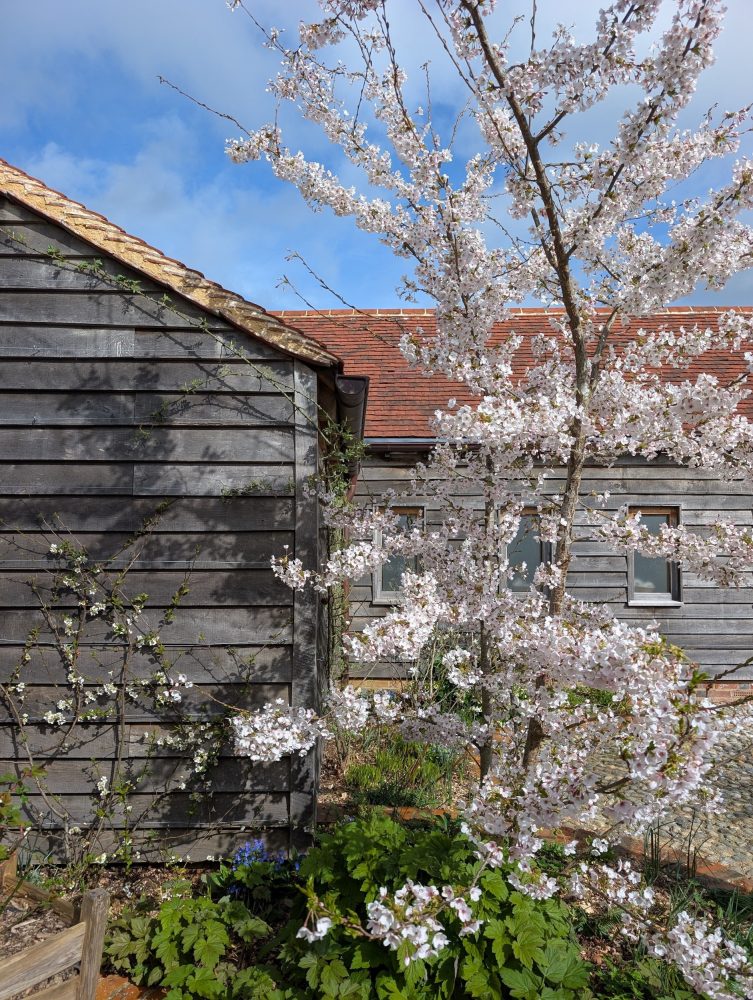
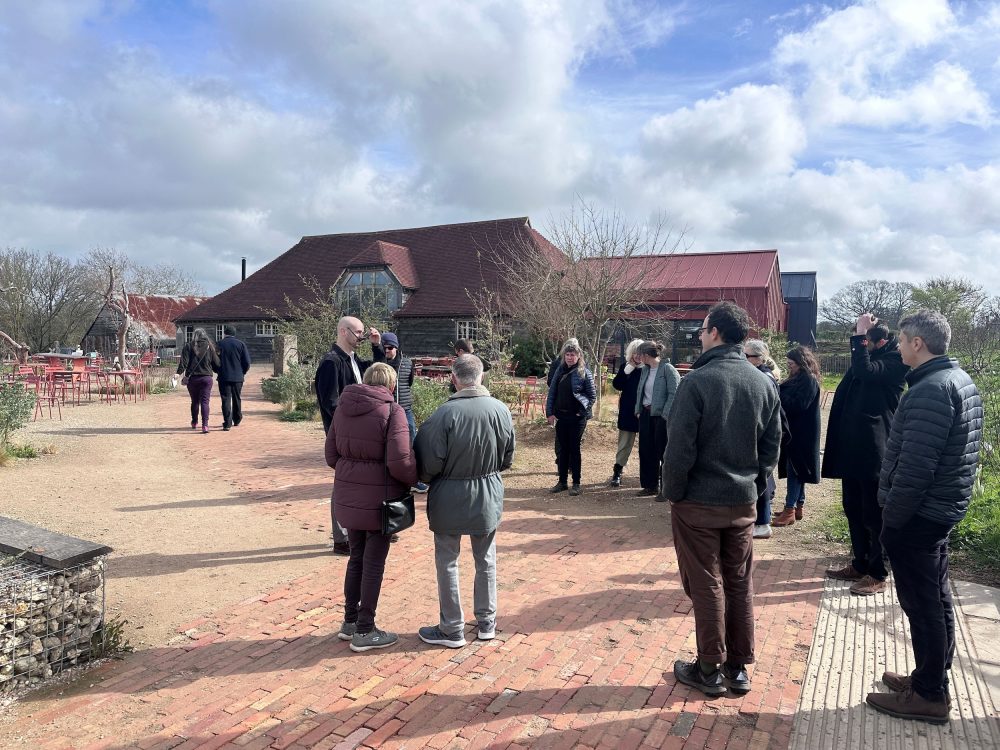
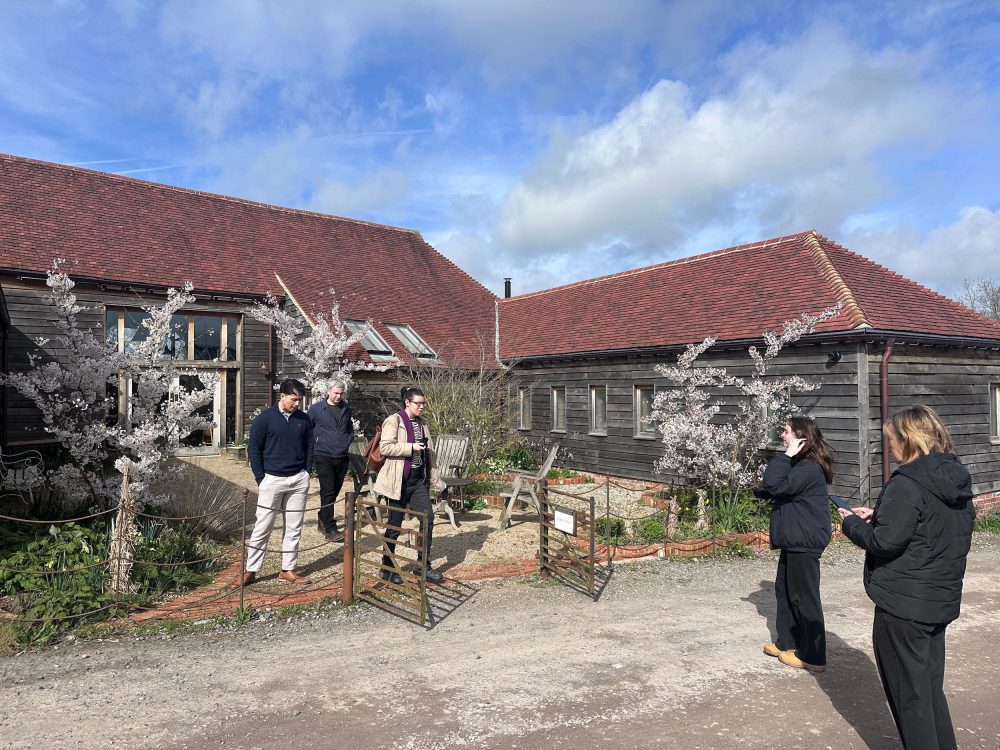
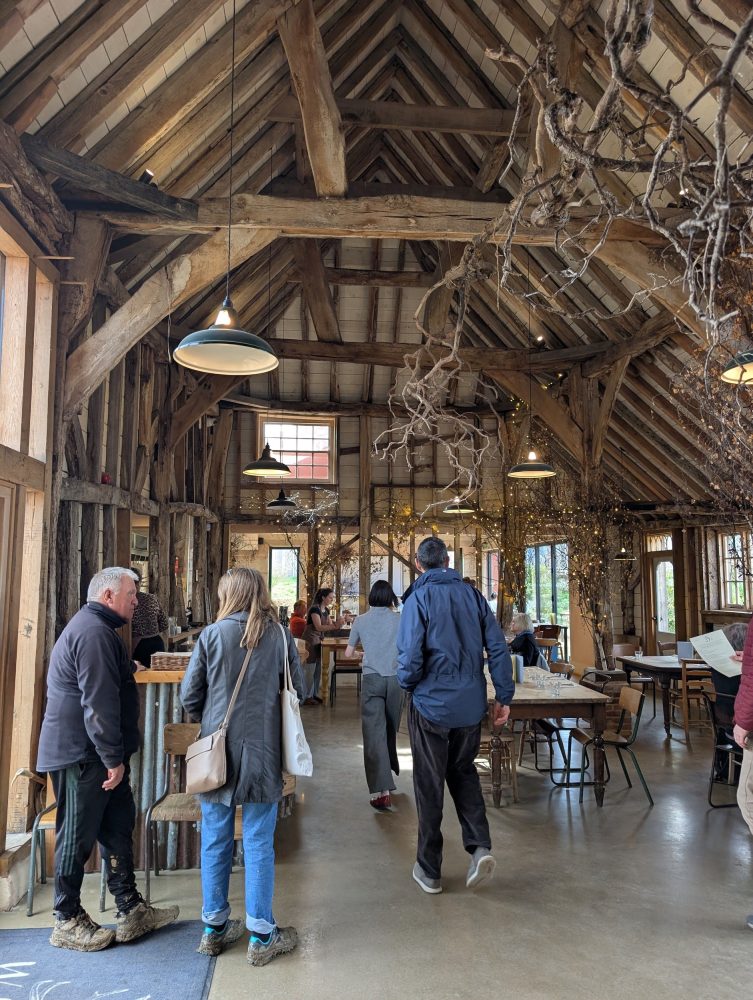
Earlier this month, our team had the opportunity to visit Knepp Estate in West Sussex, hosted by RIBA Sussex and RIBA West Kent. What we experienced was not simply a tour, but an exercise in reframing; of landscape, of time, and of the role we play as designers within it.
Knepp is often described as a “rewilding project,” but that phrase doesn’t quite capture the quiet radicalism of the place. Once a struggling intensive farm, the 3,500-acre estate has, since 2000, been given back to natural farming processes, allowing grazing animals, water, and time to shape the land without human prescription.
The result is not picturesque in the conventional sense. There are no manicured vistas or carefully composed views. Instead, there is something richer: a natural landscape in flux.
A Different Kind of Beauty
At Knepp, beauty is not designed, it emerges.
Scrubland, often dismissed as “messy” or “unproductive,” becomes the foundation for biodiversity. Bramble thickets shelter rare nightingales. Wetlands form where water is allowed to settle, and wander. Free-roaming cattle, ponies, and deer create a constantly shifting mosaic of habitats.
It challenges a deeply ingrained instinct within architecture and landscape design, the desire to control, to refine, to finish.
Knepp suggests something else: What if the most meaningful environments are those we don’t fully determine?
Designing with, Not Over
As architects, we are trained to shape space with intention. But Knepp raises an important question; where should intention stop?
The project is process-led rather than outcome-led. This has establishing conditions for nature to thrive, rather than prescribing what it ‘should’ look like. There is a powerful parallel here with how we think about designing homes.
The best spaces are rarely those that feel “over-designed.” They are the ones that allow life to unfold organically, where light changes throughout the day, where materials age and soften, where gardens grow into themselves rather than being frozen at completion.
At Knepp, time is a design tool.
Resilience, Not Perfection
What’s perhaps most inspiring is that Knepp is not just an ecological success, but a cultural and economic one too, a shift from failing agriculture to a thriving model of biodiversity, tourism, and education.
It reminds us that resilience, in landscapes, buildings, and lives, doesn’t come from perfection. It comes from adaptability.
From systems that can evolve. From spaces that welcome change.
What We Took Away
We left Knepp with a renewed sense of humility.
In practice, it is easy to think of design as the act of adding, more structure, more clarity, more control. But Knepp demonstrates the value of restraint. Of stepping back. Of trusting in processes larger than ourselves.
For us at George and James, this translates into a quieter ambition:
- To design homes that feel truly rooted in their landscape
- To work with existing qualities, not against them
- To create spaces that improve with time, not just impress on day one
Because ultimately, the most enduring environments, whether wild landscapes or family homes, are those that are allowed to breathe.
A Final Thought
Knepp has often been described as a story of nature’s return, but perhaps it’s also a story about letting go. And as designers, that may be one of the most important lessons we can learn.
If you are interested in discussing how we can help translate these findings into your project, we would love to hear from you.