Choosing materials that complement the design of your home and the place it stands in.
Of all the decisions in a building project, materials are the ones people tell us they find hardest. A floor plan can be tested on paper. A material has to be lived with. It is the floor under bare feet in the morning, the wall that catches the evening sun and the door handle you reach for twenty times a day. It is also one of the most enjoyable parts of designing a home, and a few simple ideas make the choices a good deal easier.
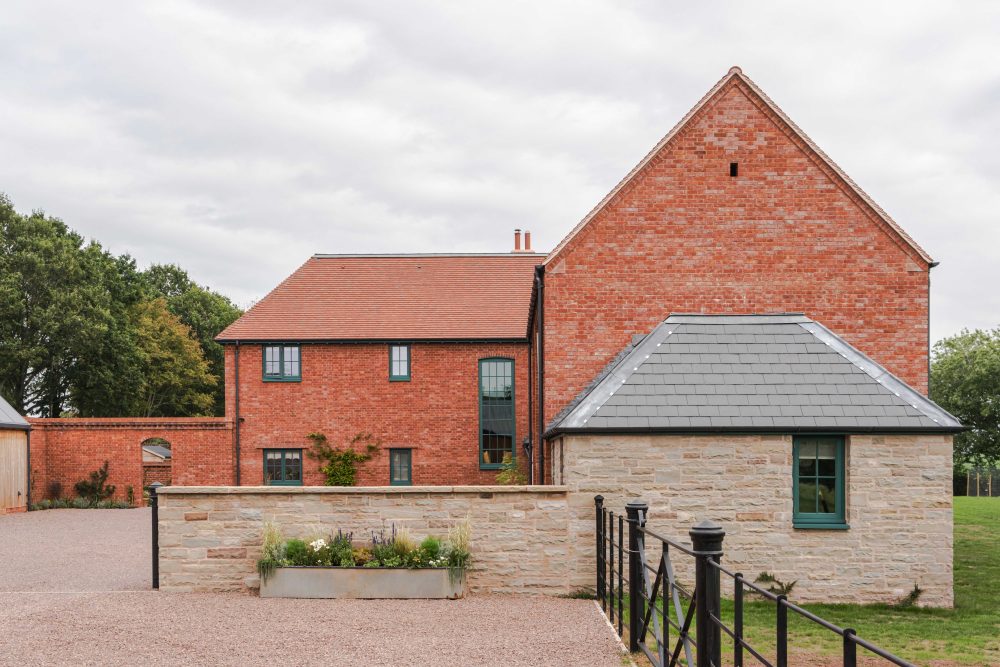
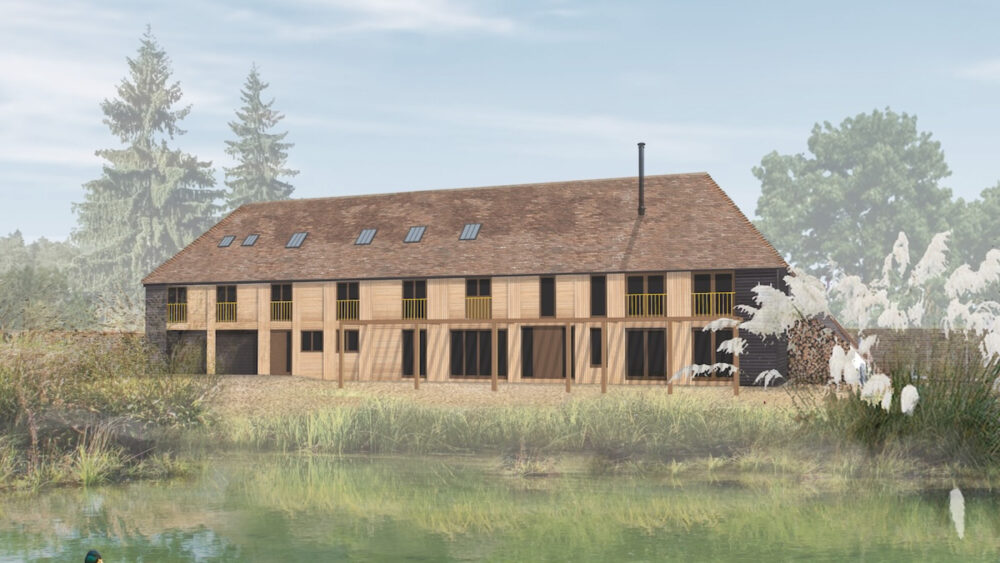
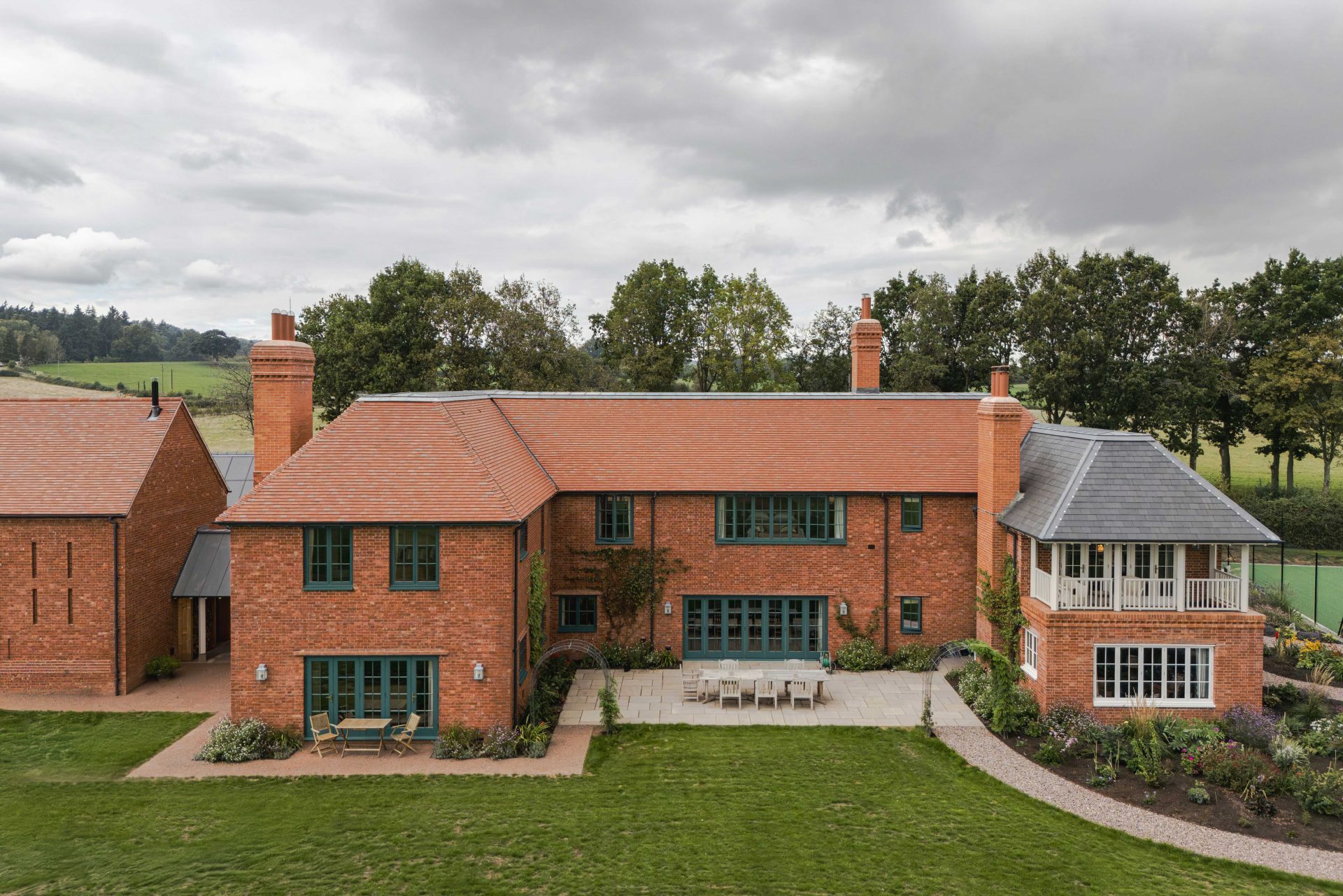
We always begin with the place. Most of our work is in the South Downs, the Surrey Hills and the Weald, where houses were built for centuries from what was close to hand: flint, brick, clay tile and oak. That is why the villages here look the way they do. A new house or an extension does not need to copy its neighbours to belong among them. Timber, zinc and clay tile on a contemporary house will sit comfortably beside a tile-hung cottage, because the materials are familiar even where the shapes are new.
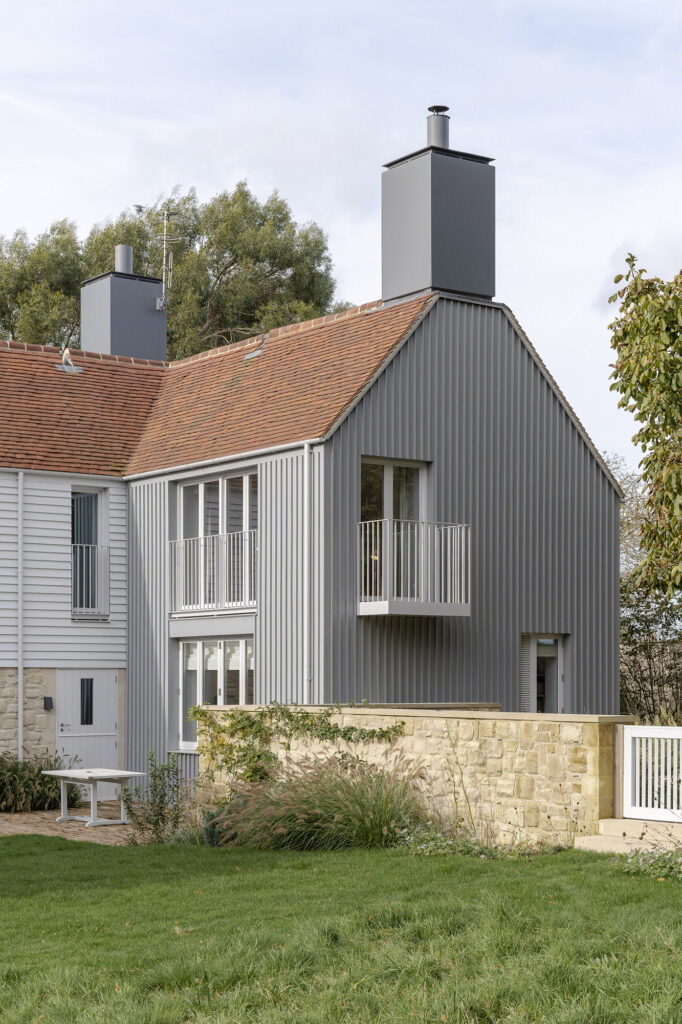
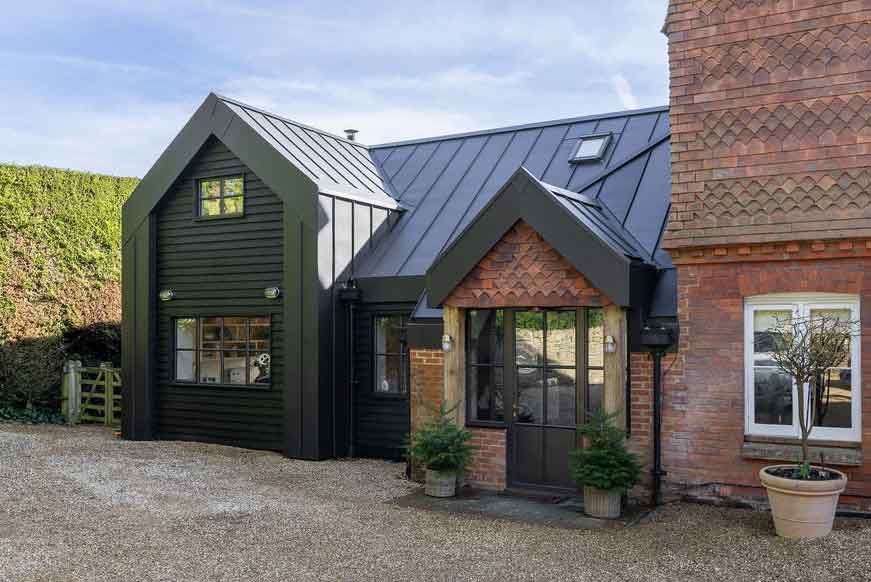
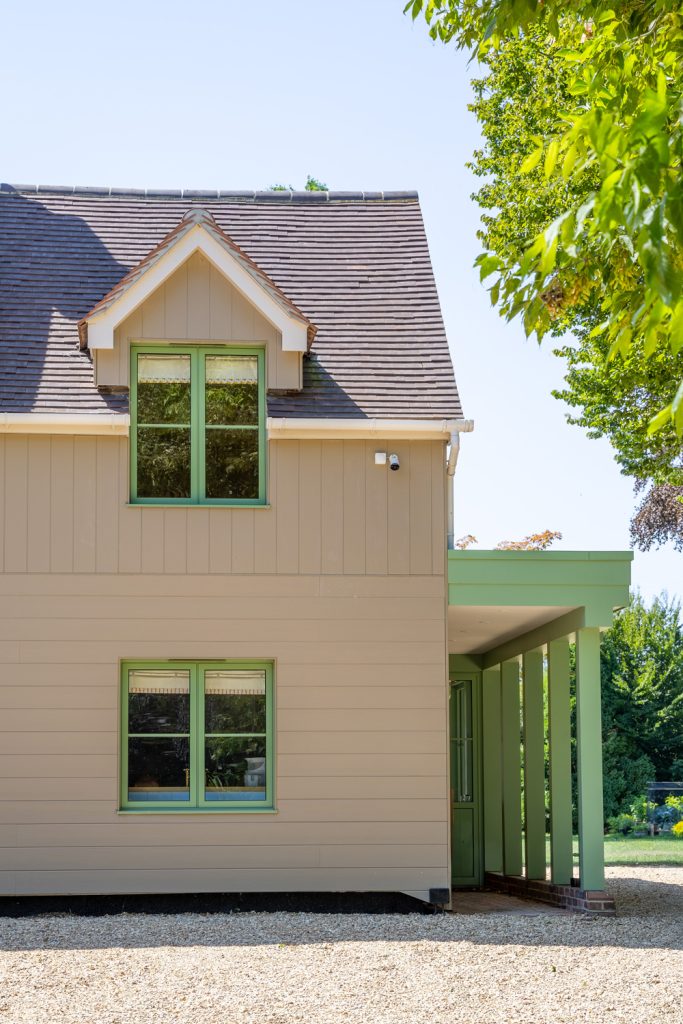
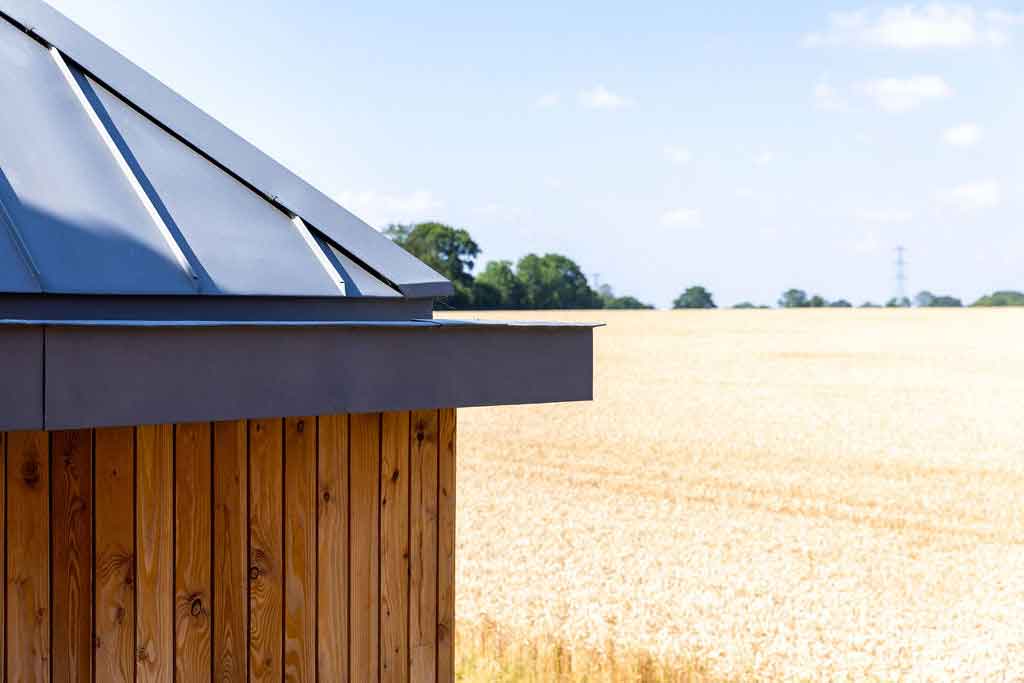
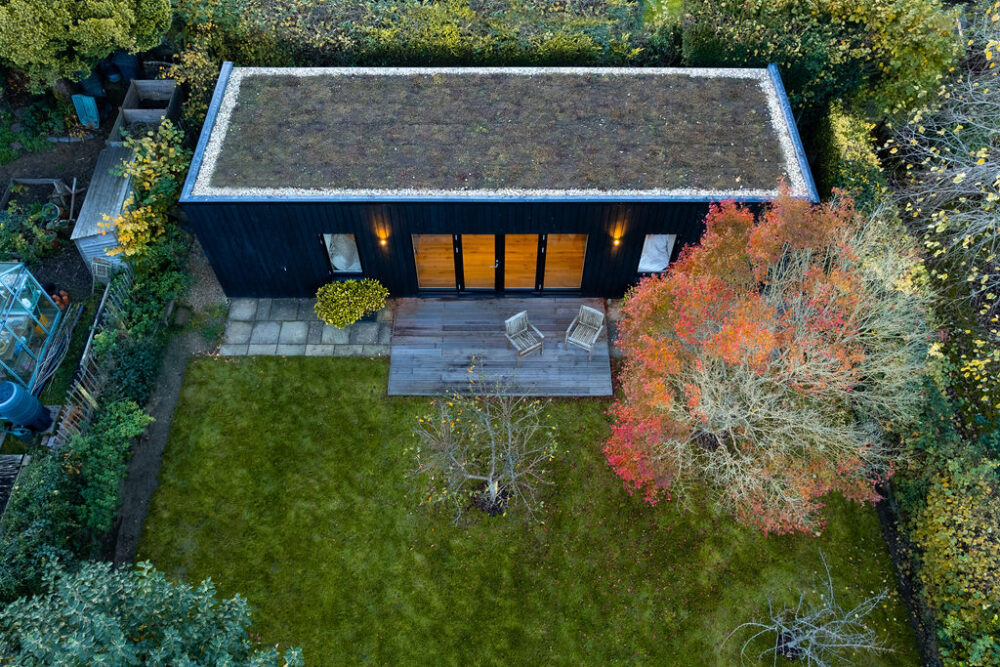
Clients often ask whether a material will look the same in ten years. Our answer is usually that we hope not. Copper and zinc soften and dull. Larch and cedar turn silver in the sun. Stone gathers lichen and moss in its joints. If you choose materials that improve with age, the house looks more settled every year, and a little weathering becomes something to look forward to.
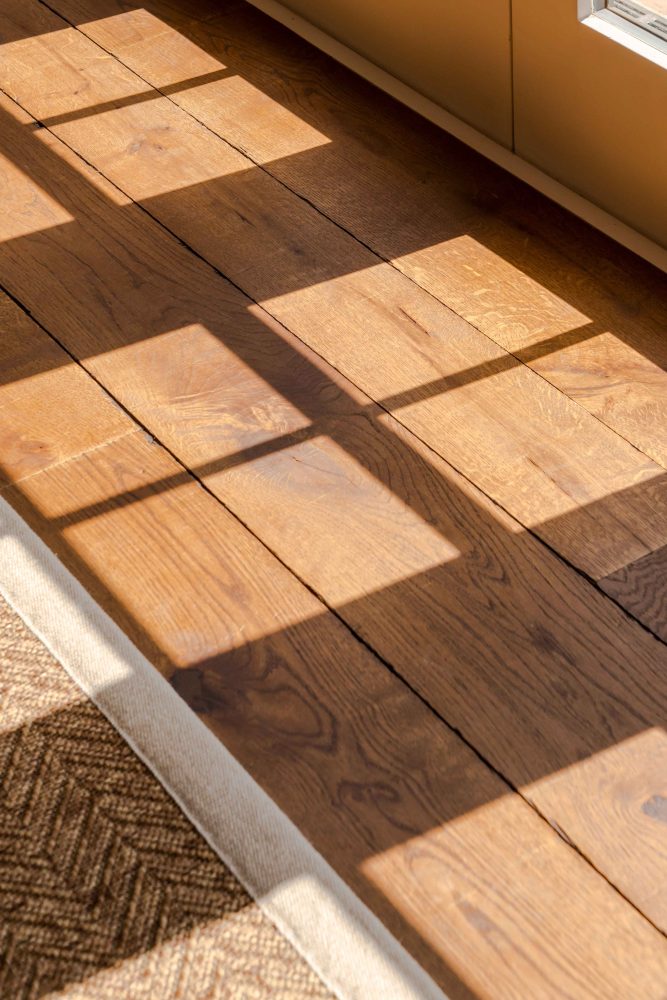
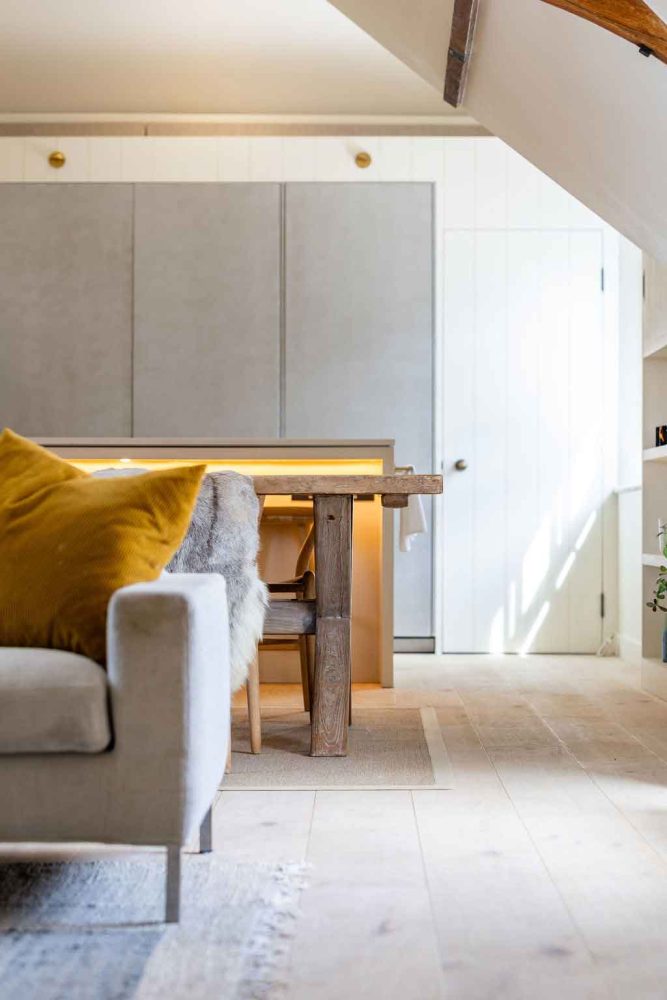
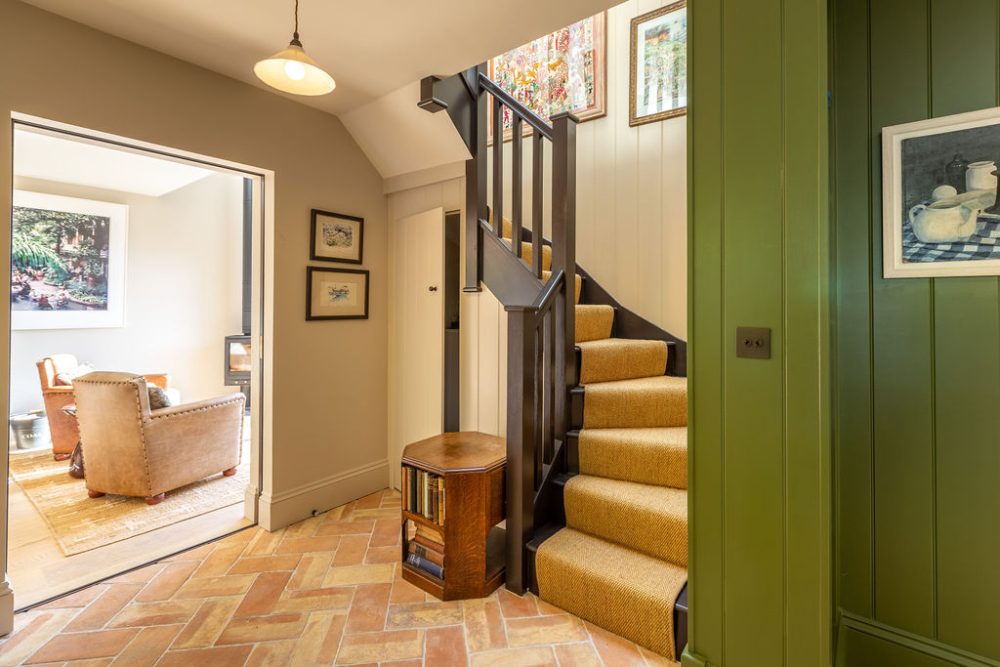
Inside, think about what you will touch and walk on every day. The briefs we have been given this year have a lot in common: warmth, clean lines, a country feel and natural timber underfoot. A family home also needs surfaces that forgive. A reclaimed timber floor takes a scratch from a dog or a dropped toy and looks none the worse for it. How the house is heated matters too. Most of the homes we are designing now have underfloor heating, often with a heat pump, and stone and engineered timber floors work very well with it. It helps to be honest about how much looking after you want to do. If you love timber on the outside of a house but not the thought of treating it every few years, charred timber or a modified wood such as Accoya gives the same warmth and lasts far longer. We would much prefer you spent your weekends enjoying the house than sanding and sealing it.
Many of the houses we work on are old, with solid walls of flint and brick, and they behave differently from modern buildings. They need to breathe. Lime plaster, clay paint and natural insulation such as sheep’s wool let moisture pass through the wall, which keeps the house drier, healthier and easier to look after. More and more people ask us how an older house can be made warmer and cheaper to run without harming it. With the right materials in the right places, a great deal is possible.
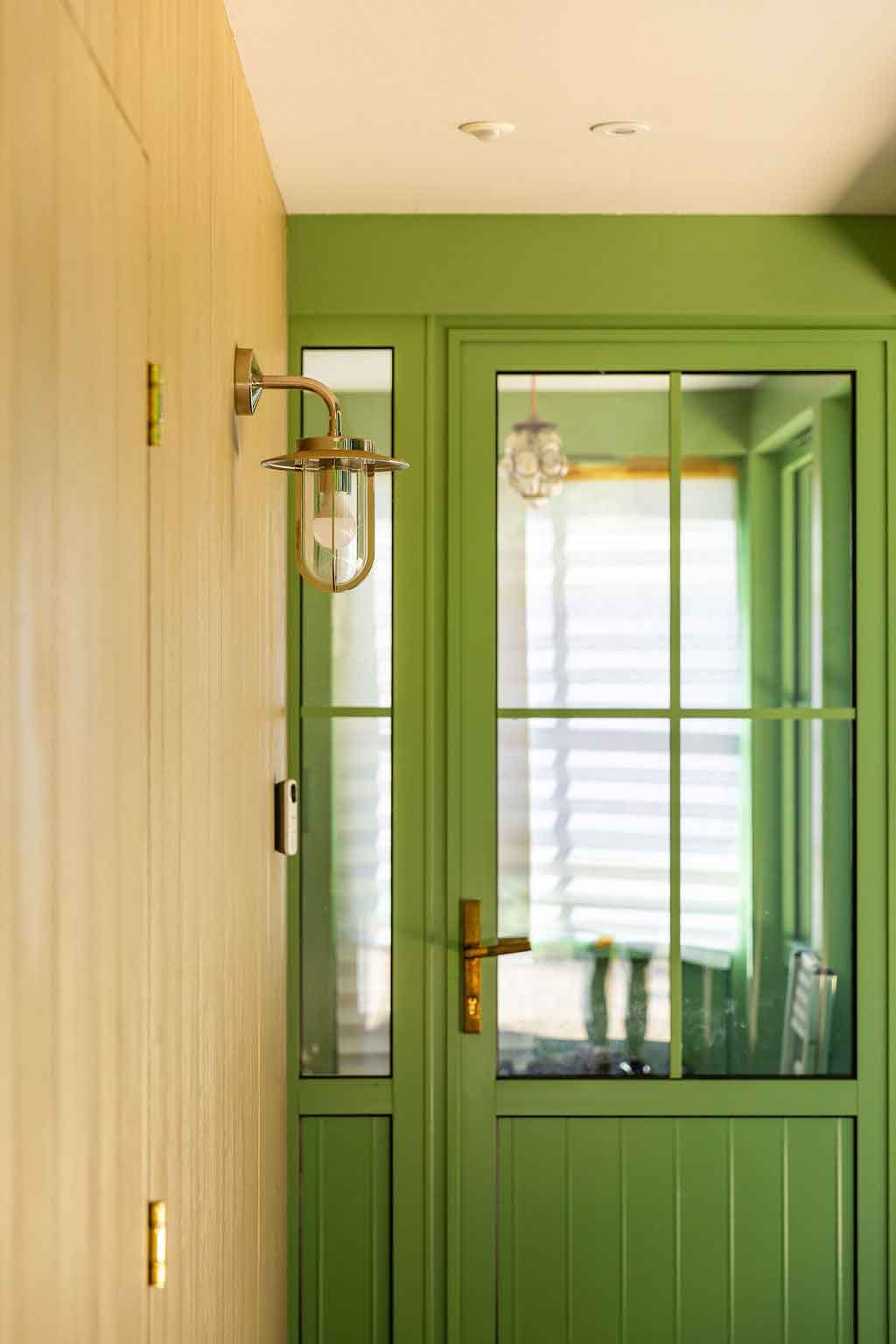
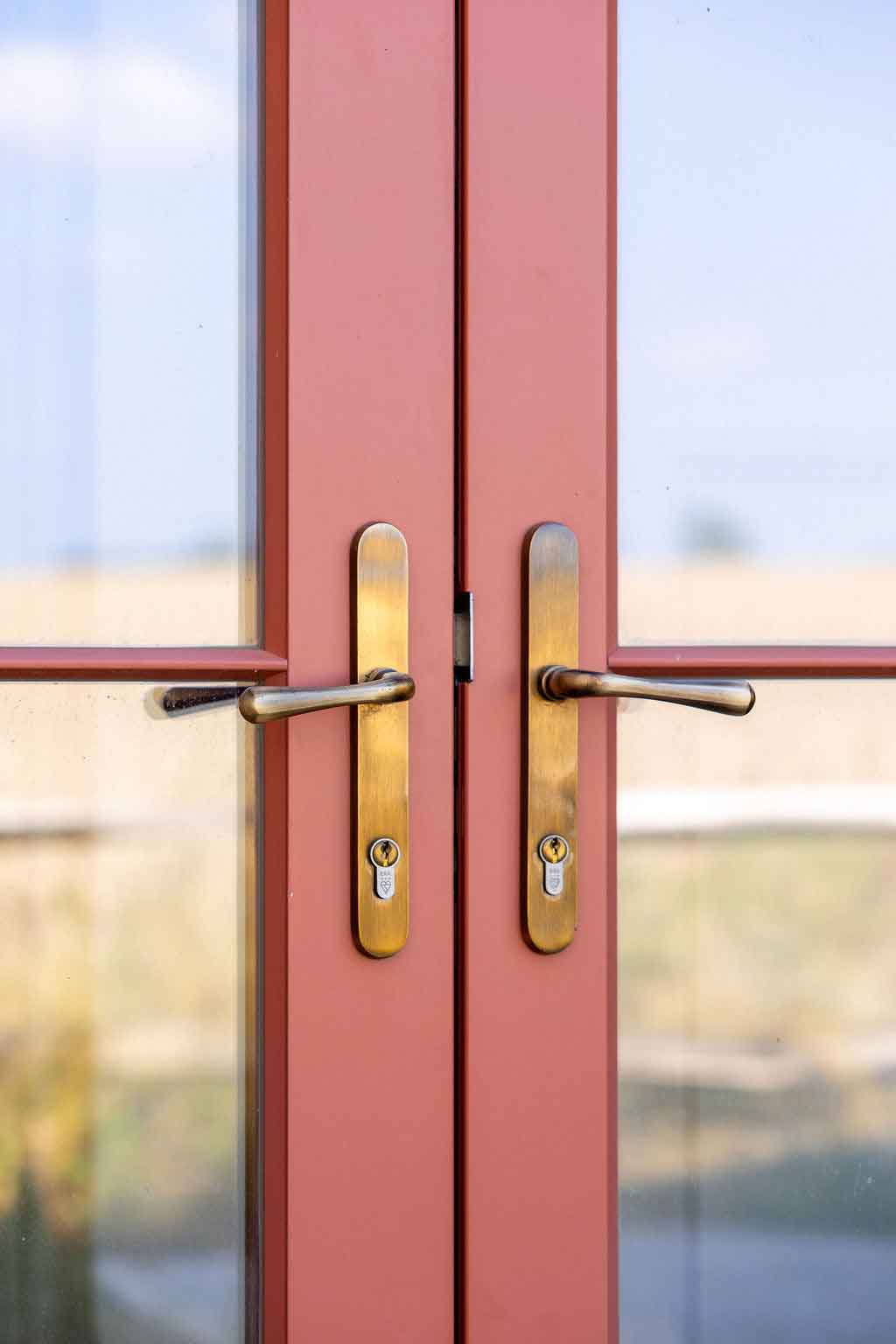
Good materials do not need an unlimited budget. Our advice is to spend first on the things you cannot easily change later, which are the insulation, the airtightness and the ventilation. Finishes can be simple to begin with and improved over the years. It works the other way round as well. One couple told us recently that they did not want to add lots of space and then have nothing left for the finishes, and we think that is exactly right. A slightly smaller house that is beautifully made will give more pleasure than a larger one finished in a hurry. Finally, choose early. We like to bring samples into the studio, put them side by side and then take them outside to see them in daylight. Once every material is chosen and written down before the builder starts, each builder is pricing the same house and you know what you will be getting. If you are thinking about a project of your own, come and see us at the studio. Bring the pictures you have saved and the things you are unsure about. There will be samples on the table, and we would be glad to help you find the materials that suit your home.