When Good Design Wins: A Planning Appeal Success in the South Downs
We’re pleased to share a recent planning success, one that didn’t come easily, but ultimately reinforces something we care deeply about: good, thoughtful architecture should prevail.
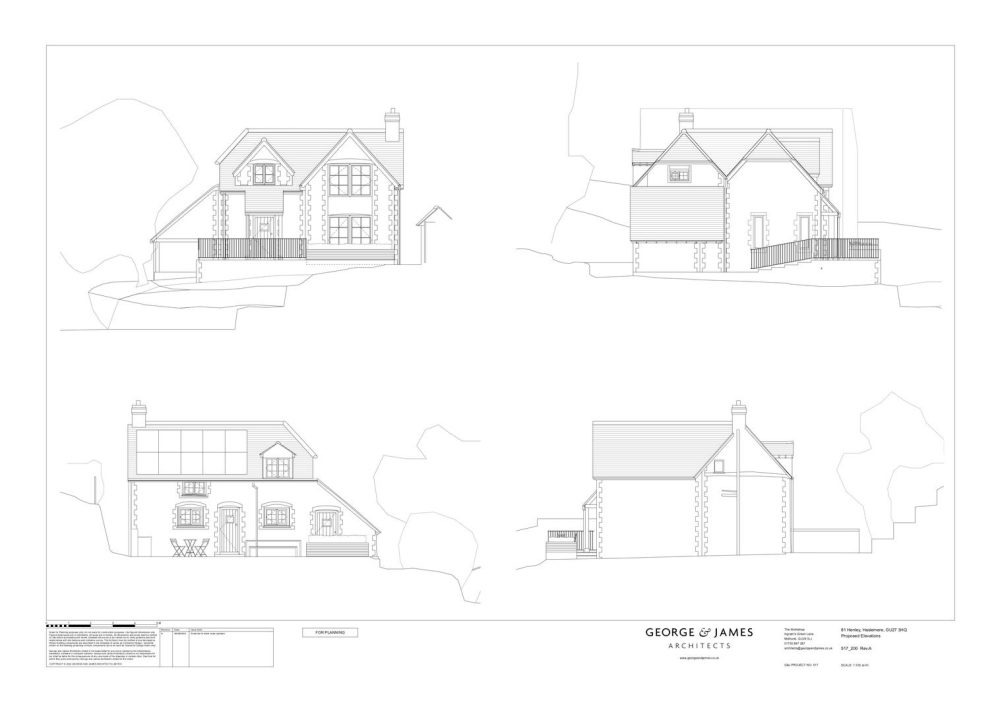
This project, a modest but carefully considered refurbishment and extension in Henley, sits within both a Conservation Area and the South Downs National Park, a context we know intimately, and genuinely love working within such a complex setting.
And this time, after an initial refusal, we took it to appeal… and won.
The Project
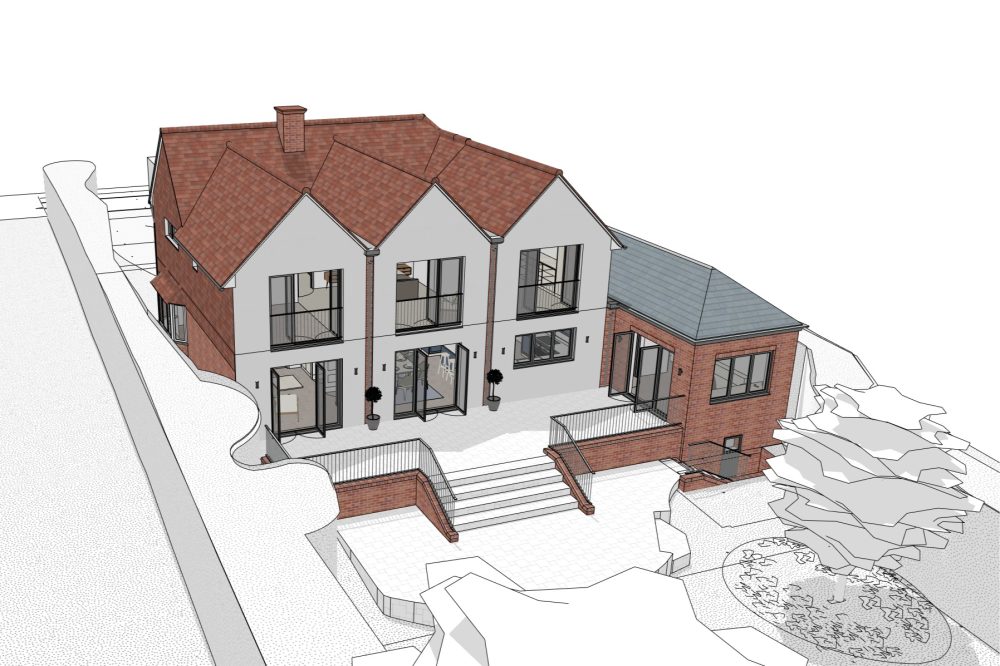
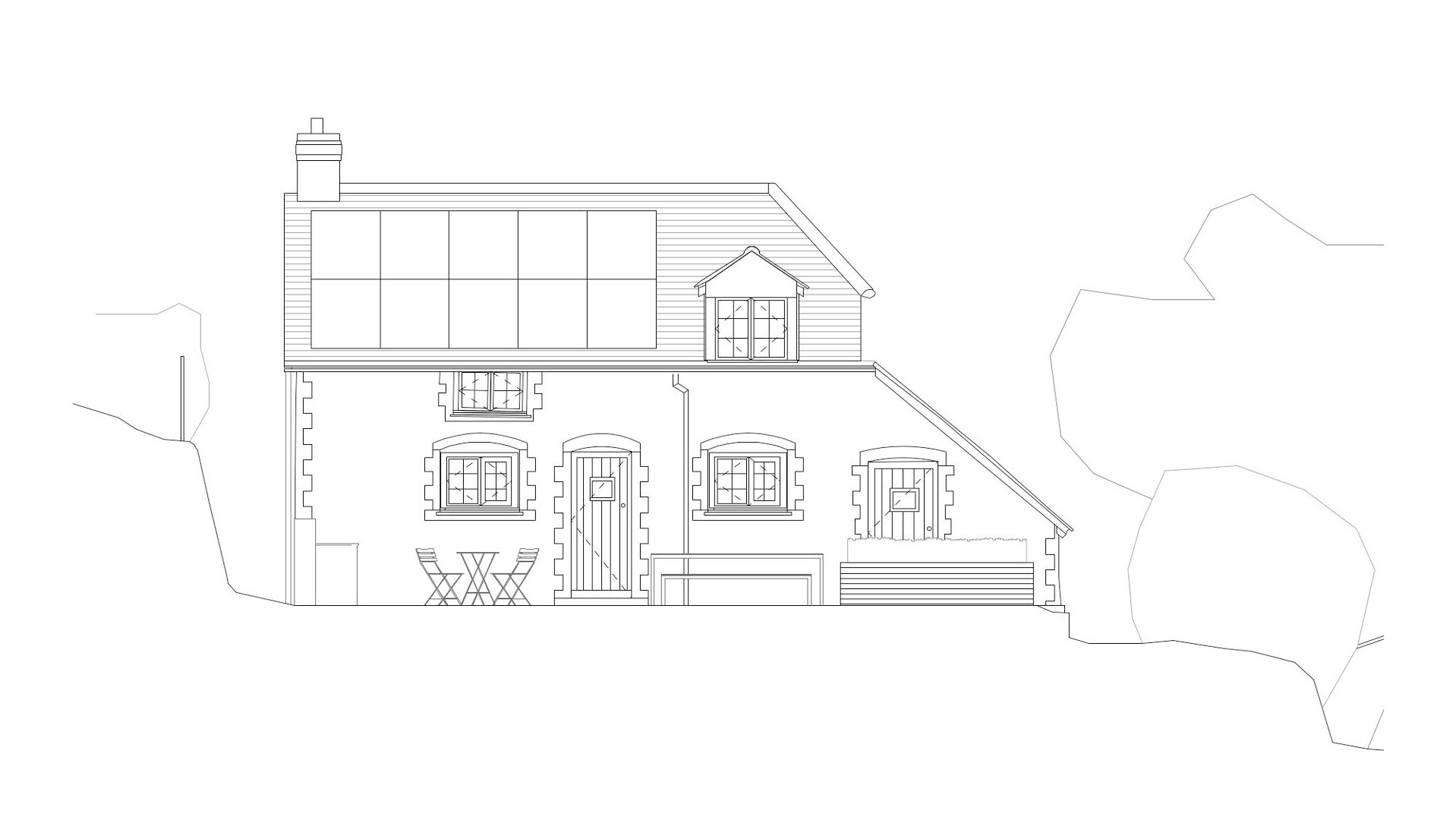
The brief was simple: take a neglected cottage, weighed down by unsympathetic 20th-century additions, and restore its character while making it a proper home for a young family.
Our approach was rooted in the local vernacular, work included:
- removing poor-quality extensions
- reinstating proportion and clarity
- using materials and forms that belong to the South Downs
As we set out in our original submission, the aim was not to dominate, but to repair and enhance, allowing the original cottage to read properly again.
The Refusal (October 2025)
Despite a clear, policy-led proposal, the application was refused.
The feedback from the planners included concerns around:
- The extension was “visually dominant”
- That it failed to preserve or enhance the Conservation Area
- That it might impact the National Park’s dark skies
But we disagreed.
Not because we think planning policy doesn’t matter, quite the opposite.
But because this was a scheme that followed policy carefully, responded to context, and improved what was there. So we appealed.
The Appeal (March 2026)
The appeal process gave us the opportunity to step back, present the scheme clearly, and let an independent inspector assess it on its merits.
The outcome was decisive.
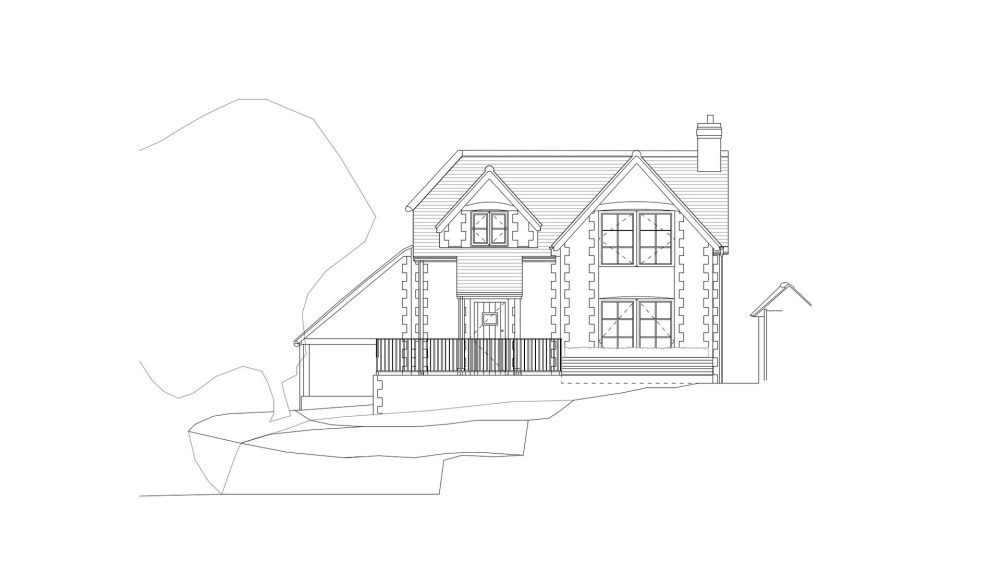
“The resulting altered and extended building would better respect the architectural integrity of the original building and the prevailing vernacular architecture…”
“The proposal would not materially harm… the Henley Conservation Area and the… South Downs National Park.”
Permission was granted, our appeal had been backed up.
What This Really Means
Taking this project to planning appeal wasn’t about pushing boundaries or overdevelopment, it was about removing out of place architecture and replacing it with something better, and more fitting for the sensitive setting.
The inspector recognised what we set out to do:
- The existing building was the problem
- The proposal was the solution
- And the landscape, the South Downs we all care about, was better served by good design than by inaction
Too often, resistance to change can slip into blanket opposition. But conservation isn’t about freezing things in time, it is about managing change well.
Or put more bluntly: this is a case where thoughtful architectural design prevailed over instinctive objection.
A Quick Guide to Planning Appeals
If you’ve had a planning refusal, it’s worth knowing that it is not always the end of the road, and you can look to appeal the decision.
When can you appeal?
For householder applications, you typically have 12 weeks from the decision notice to submit an appeal.
How long does it take?
- Most householder appeals take 3–6 months from submission to decision
- For this project the process ran from October 2025 to March 2026
What does it cost?
- The Planning Inspectorate itself doesn’t charge a fee
- But you’ll need professional input (architect, planning consultant, sometimes specialist reports)
- Realistically: £2,000–£10,000+ depending on the complexity of the project
Is it worth it?
Sometimes, yes. Appeals are particularly powerful where you believe some of the following:
- Policy has been misapplied
- The design has clear merit
- The refusal reasons don’t fully stack up
Why This Matters to Us
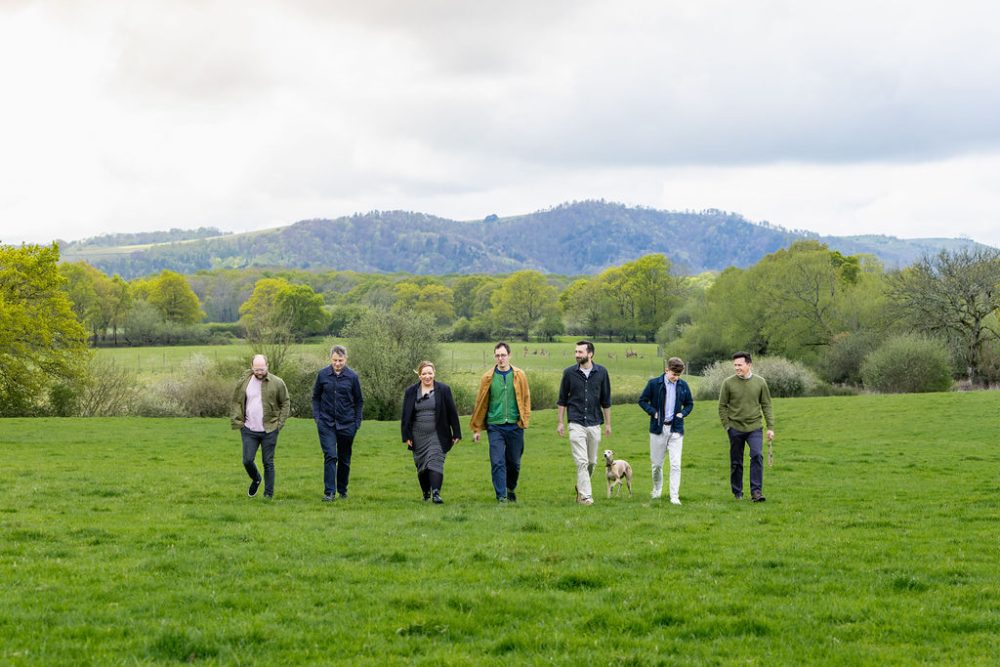
We live and work in the South Downs National Park, these are landscapes we walk and cherrish. As architects we understand the planning context, and we genuinely care about getting it right.
That means:
- Respecting heritage
- Responding to landscape
- And designing homes that feel like they belong
But it also means being prepared to stand behind good ideas when needed.
This project is a reminder that well-considered architecture, grounded in context and policy, can, and should, succeed.
Thinking About Your Own Project?
If you’ve had a refusal, or you’re unsure how to navigate planning in sensitive areas like the South Downs, we’re always happy to talk.
Sometimes the right answer is to rethink.
Sometimes it’s to push forward.
The key is knowing the difference.