Connecting the home and garden
In architecture, a home is more than just a structure—it’s an environment that reflects the lifestyle and aspirations of its occupants. At George and James Architects, we believe that the relationship between a house and its garden is a vital element in creating a harmonious and holistic living space. Considering this connection from the outset of a project not only enhances the aesthetic appeal but also significantly improves the functionality and emotional resonance of a home.
Why the Connection Matters
The connection between a house and its garden goes beyond mere visual appeal. It is about creating a seamless transition between indoor and outdoor spaces, where the boundaries blur and the garden becomes an integral extension of the living area. This relationship influences how a home feels, how it is used, and how it interacts with its natural surroundings.
Enhancing Well-being
There is a growing body of research that highlights the positive impact of nature on our well-being. Gardens provide a space for relaxation, reflection, and recreation, offering a retreat from the stresses of daily life. By integrating the garden with the home, we create opportunities for residents to engage with nature, whether through a morning coffee on the terrace, an alfresco dinner, or simply enjoying the view from a strategically placed window.
Maximizing Natural Light and Ventilation
A well-considered connection between house and garden maximizes natural light and ventilation throughout the home. Large windows, sliding glass doors, and open-plan designs allow for the free flow of air and light, creating bright, airy spaces that feel connected to the outside world. This not only reduces the need for artificial lighting and climate control but also fosters a sense of openness and freedom.
Extending Living Spaces
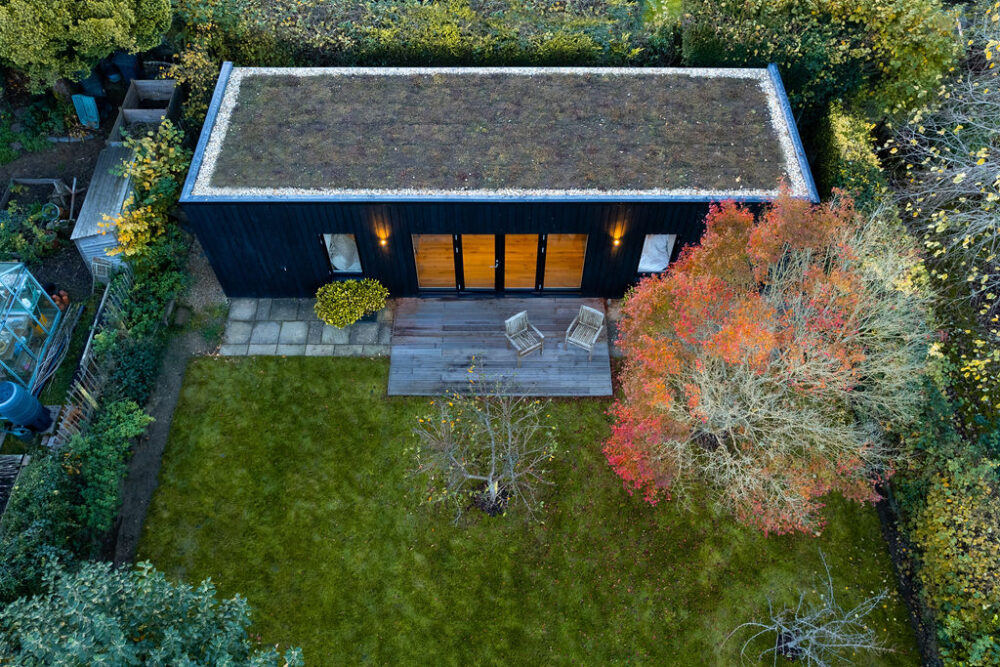
In modern architecture, the garden is no longer an afterthought but an essential component of the living space. By considering the connection from the outset, we can design outdoor areas that complement and extend the indoor living spaces. Whether it’s a patio that flows seamlessly from the living room, a garden kitchen that complements the indoor cooking area, or a courtyard that serves as a private oasis, these spaces become integral parts of daily life.
Creating a Cohesive Design
When the garden is integrated into the architectural design from the beginning, the entire project benefits from a cohesive and unified aesthetic. Materials, colors, and textures can be chosen to flow naturally from the interior to the exterior, creating a sense of continuity and harmony. This approach ensures that the house and garden are not seen as separate entities but as a single, unified space.


Sustainability Considerations
A thoughtful connection between house and garden also contributes to sustainability. By designing outdoor spaces that support local biodiversity, incorporate native plants, and utilize sustainable landscaping practices, we create gardens that are not only beautiful but also environmentally responsible. Additionally, features such as rain gardens, green roofs, and permeable paving can be integrated to manage water runoff and reduce the environmental footprint of the home.
Case Study: The Grove in South London
The Grove project involved the restoration and modernisation of an Edwardian manor house in South London. Initially facing challenges due to previous architectural issues, the project was redirected to respect the home’s original grandeur while introducing modern elements. Large bi-fold doors now connect the beautifully restored interior to the garden, integrating the house with its outdoor space. The project overcame various obstacles, including the COVID-19 pandemic, ultimately resulting in a home that harmonises historic elegance with contemporary living.
Case Study: Wellfield Avenue in Muswell Hill
Wellfield Avenue involved the refurbishment and enlargement of a home in Muswell Hill, London. The project aimed to restore unity and order to a house that had been compromised by thoughtless additions. The transformation included creating a beautiful new space at the back of the house, which seamlessly connects to the garden. The result is a cohesive, light-filled home that harmonises with its outdoor environment, offering the homeowners much more than they had before.
Case Study: The Farmhouse
The Farmhouse project, nestled in the South Downs National Park, highlights the importance of integrating a home with its natural surroundings. This project involved creating a new farmhouse that celebrates the local agricultural vernacular, using traditional materials like handmade clay tiles and stone walls, complemented by modern elements such as painted larch cladding and zinc roofing. The landscaped terraced gardens and refurbished outbuildings, along with the stunning views, create a seamless connection between the house and its environment.