Most people come to an architect with an idea.
I want to add an extension on the back. I want the loft converted. I want a bigger kitchen. And that’s understandable, you’ve been living with a problem for long enough that you’ve started designing your way out of it in your head. But here’s the thing: that idea, however reasonable it seems, might be the single biggest obstacle to getting the home you actually want. What we’re really good at, what any good architect is really good at, is solving problems. Not drawing buildings. Not producing pretty images. Solving puzzles. Working out why a house isn’t working and finding the most elegant way to fix it. And the best projects we’ve ever worked on almost always start the same way: someone comes to us not with a plan, but with a problem.
The Friction in the House
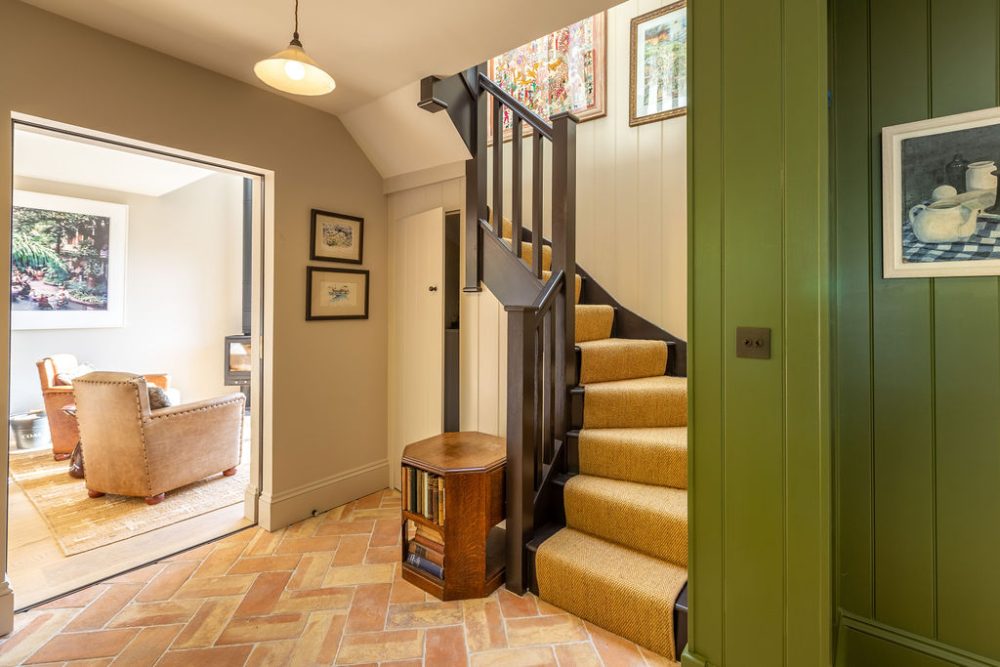
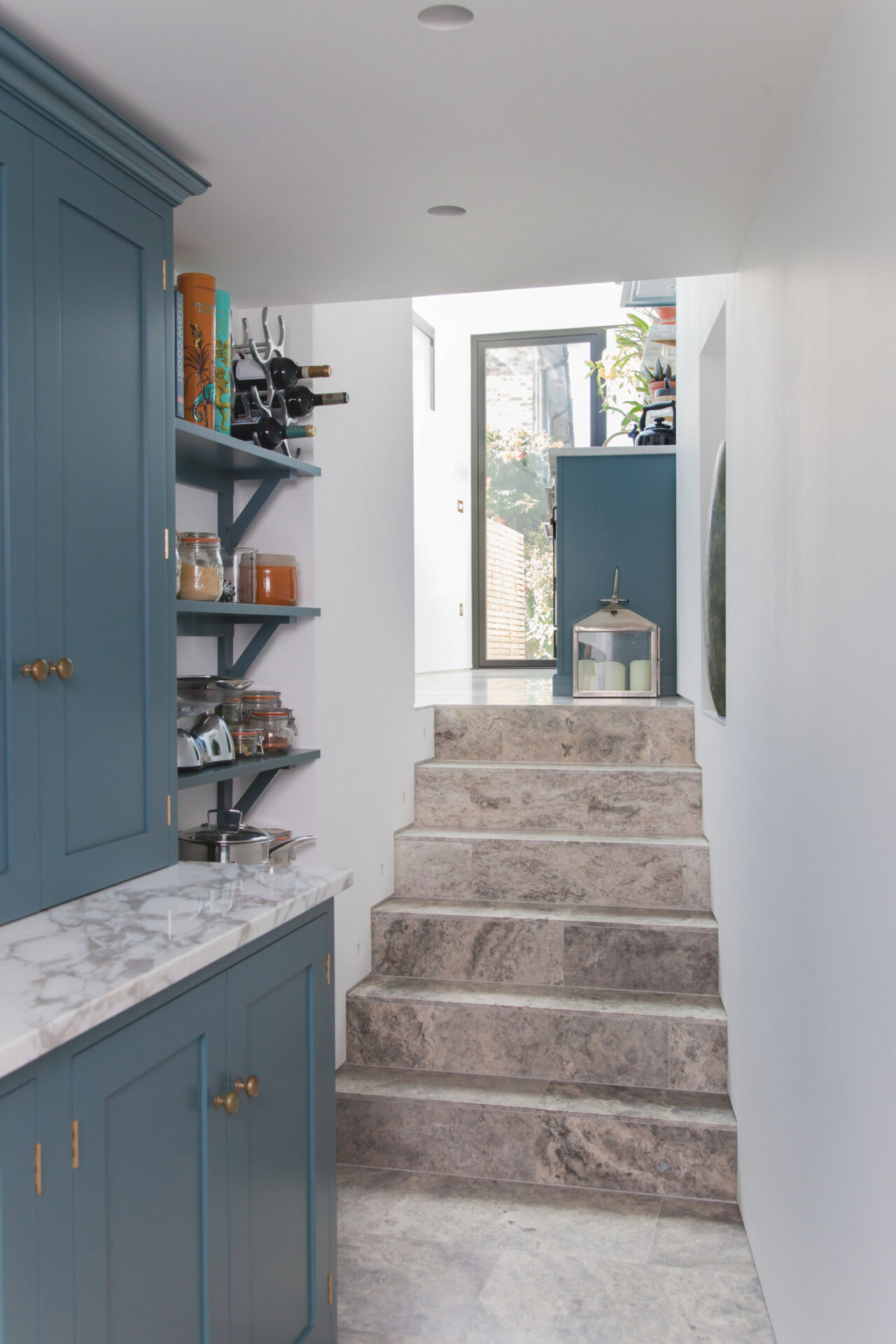
Every home has friction. Sometimes it’s obvious; a hallway that creates chaos when everyone arrives home at once, a kitchen that faces the wrong way, rooms that are dark all day despite the garden being bathed in light. Sometimes it’s subtler: a house that’s been added to across different decades by different owners, and has never quite been resolved into something coherent. The connections between spaces are wrong. The flow between inside and outside doesn’t work. The light falls in all the wrong places. The house sits in its setting, its garden, its landscape, its street, as though it hasn’t yet decided how to belong there.
These are the things that make a home feel like it’s working against you rather than for you. When we first sit down with a new client, we don’t talk about square metreage. We talk about how they live. What happens when you come in from work? Where does the shopping go? What does a school run look like? What about a dinner party, how does that unfold through the house? Christmas with family staying? All of those scenarios, those daily rhythms and occasional rituals, are the real brief. Because a home isn’t a static object, it’s the backdrop to a life, and it needs to perform across all of it.
The Problem with Preconceptions
When someone comes to us certain that a rear addition is the answer, we take that seriously. It might be exactly right. But it also might be that the problem isn’t about space at all, it’s about the sequence of spaces, or the relationship to the garden, or a wall that shouldn’t be there. Adding more square metres to a house that’s fundamentally confused doesn’t fix the confusion. It just gives you more of it. This is the danger of starting with a solution before you’ve properly diagnosed the problem. Without interrogating what’s really wrong, the real friction, the real chaos, you risk spending significant money and energy and ending up with the same issues you started with, just in a slightly larger house. That’s not a failure of the building work. It’s a failure of the brief.
When the Answer Is to Start Again
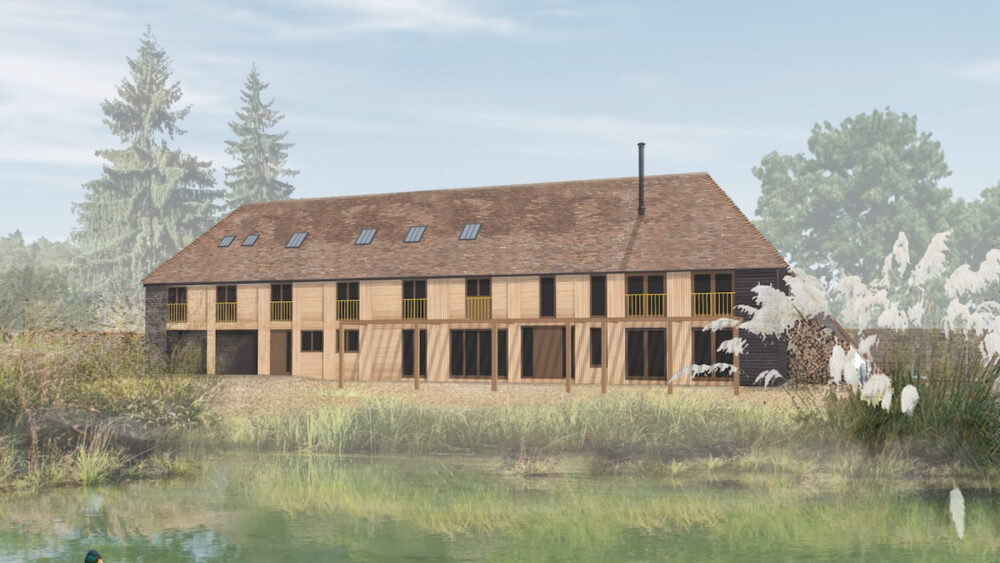
Sometimes, the most honest conversation we have with a client is the one where we suggest that the existing house isn’t worth saving or at least not worth the compromise of working endlessly around its limitations. Replacing a house entirely, and building something new from the ground up, is more possible than many people realise. And when it’s the right answer, it opens something transformative. A new home can be designed precisely around how you want to live, your rhythms, your relationships, your light. It can be orientated to make the most of its plot, its views, its landscape. And it can be built to perform: highly insulated, airtight, with renewable energy systems and mechanical ventilation that make it genuinely efficient to run and healthy to live in. A home that sits quietly and confidently in its setting, belongs to its landscape, and costs very little to heat, that’s not a luxury aspiration. With the right approach, it’s an achievable one.
What kind of project planner are you?
Do you arrive with a spreadsheet and a Pinterest board, or do you prefer to handover the keys and trust the process? Take our quick quiz to find out your planning style and what it means for your project.
What Architects Actually Do
Once we understand the problem clearly, whether that’s a house to be unlocked, reconfigured, carefully added to, or replaced entirely; that’s when the real work begins. And that work draws on a lot more than design taste. It draws on planning knowledge, what’s possible on your site, on your street, within your landscape. It draws on technical understanding, structure, building regulations, how materials perform and age. It draws on construction knowledge, what things actually cost to build, what delivers value and what doesn’t. And it draws on spatial thinking, how light moves through a plan, how ceiling heights change the feel of a room, how a view can be captured or a garden properly connected. All of that comes together in the solution. And the solution might be an addition, or it might not be. It might be a reconfigured plan that unlocks something the house always had but never expressed. It might be as much about taking away as adding. It might be about bringing light in, resolving an entrance, reconnecting a home to its garden and the landscape beyond. Often, it’s about bringing calm to chaos, using space, light, material and plan to create a home that feels settled, that flows, that just works.
Drawings Come After
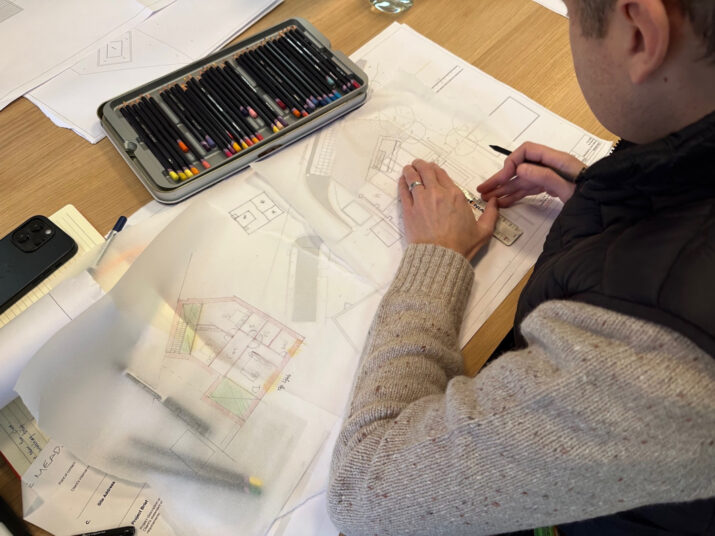
Yes, we produce drawings. And images, and schedules, and specifications, and all the documents that need to exist so that planners and building control officers and contractors can do their jobs. Those things matter. They’re how good ideas become real buildings. But they’re not what architecture is. Architecture is the thinking that precedes them. It’s the process of identifying what a home needs to be, and finding the most intelligent, considered, sometimes unexpected route to getting it there. So if you’re living in a house that doesn’t quite work, if there’s friction you can’t resolve, chaos you’ve just learned to live with, light you’ve given up on ever having, come and talk to us. Don’t come with a solution. Come with the problem. That’s where the best work begins.