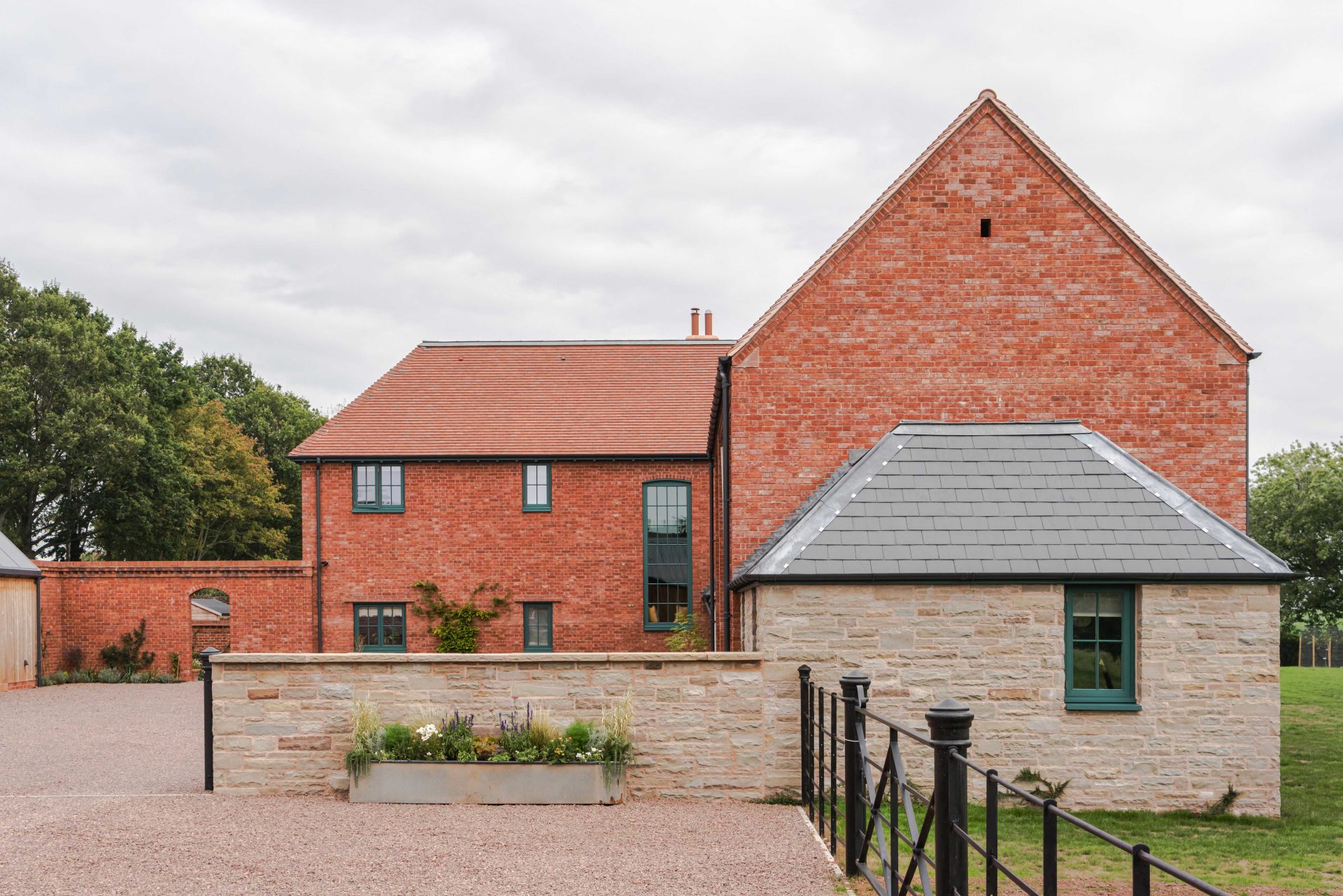
What if?
It is hard to open a newspaper or pick up a phone at the moment without being told what is wrong with the world. Prices, rules, delays, uncertainty. There is always a reason not to do something, and when it comes to our homes it is very easy to let that list of reasons do all the talking.
So I want to suggest something different. For a moment, put the worries to one side and ask a better question. Instead of “what is stopping us?”, try “what if?” What if the kitchen looked onto the garden? What if there was somewhere for everyone to sit down together? What if the house felt calm the moment you walked through the front door with space for muddy boots, children and shopping?
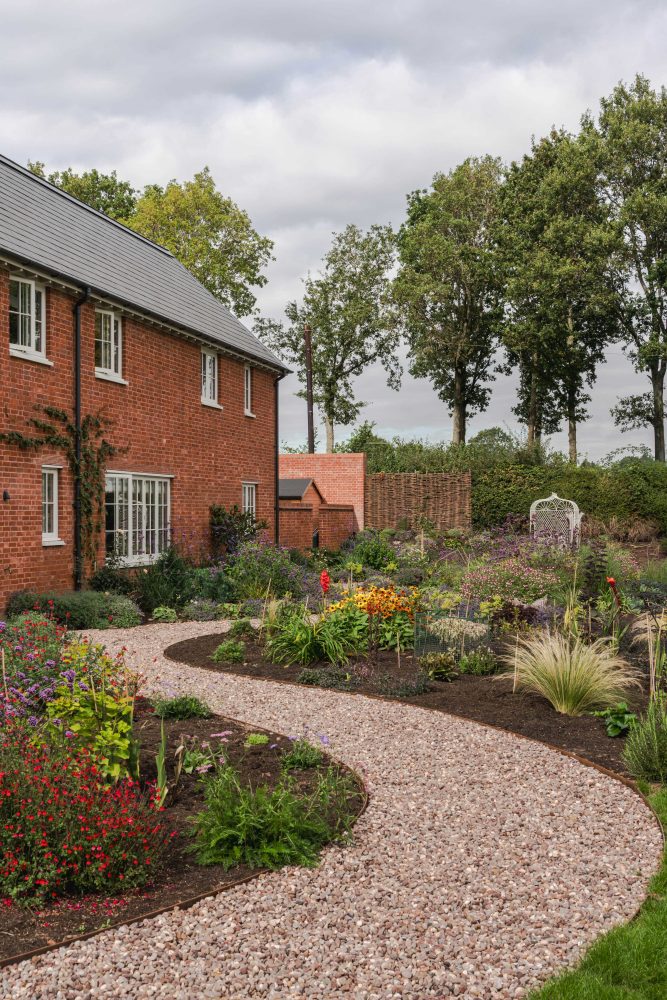

Start with the problems and you will only ever design around the problems. Start with the possibility and you give yourself something worth working towards.”

Dreaming first is not naive. The practical questions still matter, and we will always be honest about them. But they are much easier to answer once you know what you are aiming for. Start with the problems and you will only ever design around the problems. Start with the possibility and you give yourself something worth working towards.
Here is something we see time and again: most homes are far better than their owners think. People come to us convinced their house is the problem, when very often it has good rooms, good light and good bones, simply arranged in the wrong order. A dark hallway in the middle. A kitchen facing the drive. A lovely garden that nobody can see from inside. None of these is a reason to give up on a house. They are opportunities waiting for someone to spot them. And the answer is rarely as dramatic as people fear. Moving a doorway can change how a whole floor works. Swapping two rooms can put breakfast in the morning sun. Opening one wall can bring together a family that has been living in separate boxes for years. Small moves, thought through carefully, can make an enormous difference to daily life.
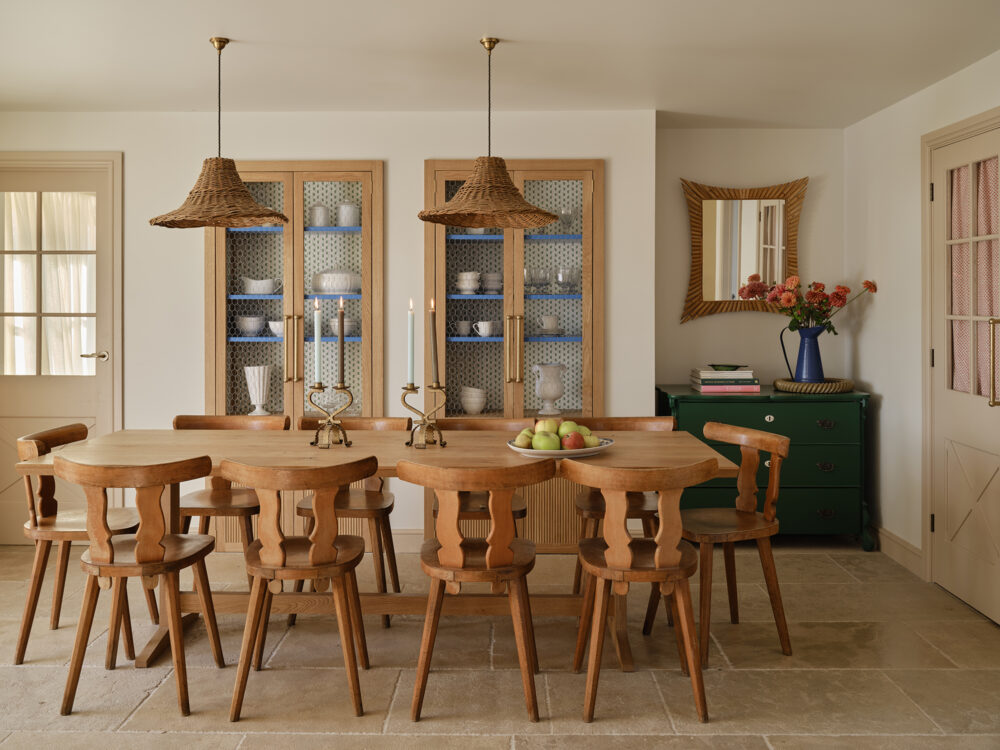
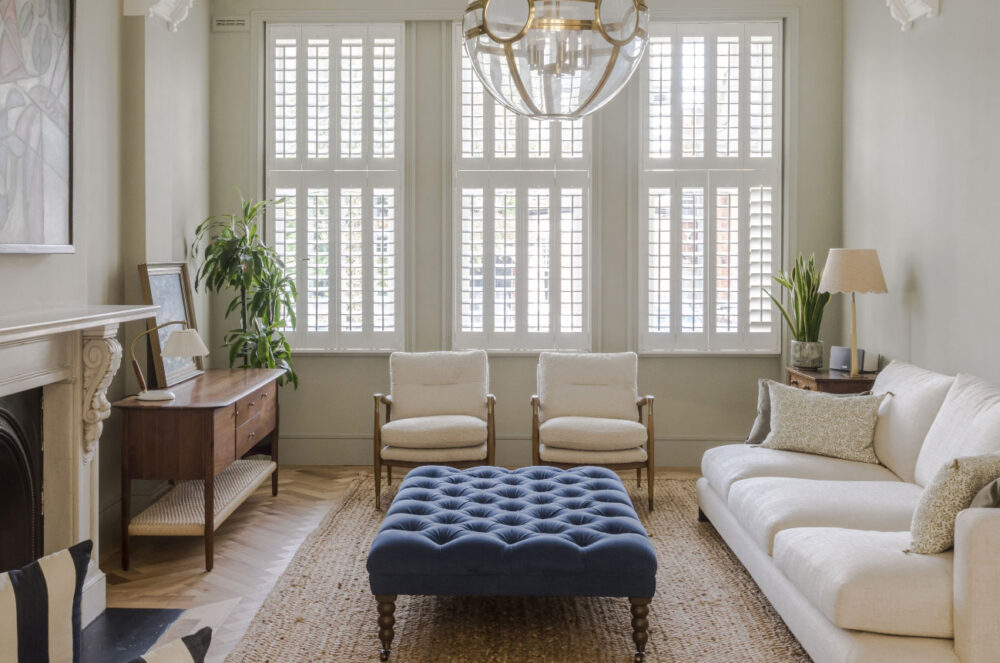
We had a good reminder of this in the studio this week. We were introduced to a family whose plans for their home had grown beyond what they could realistically build, and they were understandably disheartened. We looked at the drawings with fresh eyes and made a handful of small changes. Nothing they loved was lost. One of those changes alone, as their builder confirmed, made a very significant difference to what the project would cost. The dream was the same. It had simply become possible.
That is what good design does, and it is why the thinking at the start matters so much. Paper is the best place to solve a problem. It is where ideas can be tested, turned around and improved before anything is built, and where a little care repays itself many times over. I understand why paying for drawings and thinking can feel like an act of faith. But it is the part of a project that shapes everything that follows: how the house flows, how the light falls, what it is made of and how it feels to live in. It also takes a weight off your shoulders. We have done this hundreds of times. We know what works and what doesn’t, where the pitfalls are, and which ideas sound simple but are not.
You do not need to have the answers. You only need to know what you would love your home to be, and let us help you find the way there.”
Because in the end this is not really about buildings. It is about the Sunday lunch that goes on all afternoon, the quiet corner with a book, the kitchen table where the homework gets done, the children running in from the garden. A home that is a sanctuary from all the noise outside. Those things are worth dreaming about. So dare to dream a little. Ask yourself what you would do with your home if anything were possible. Then come and talk to us, and we will explore together what is. You may be surprised by how close it already is.