Navigating the Green Belt: What homeowners should know before building or extending
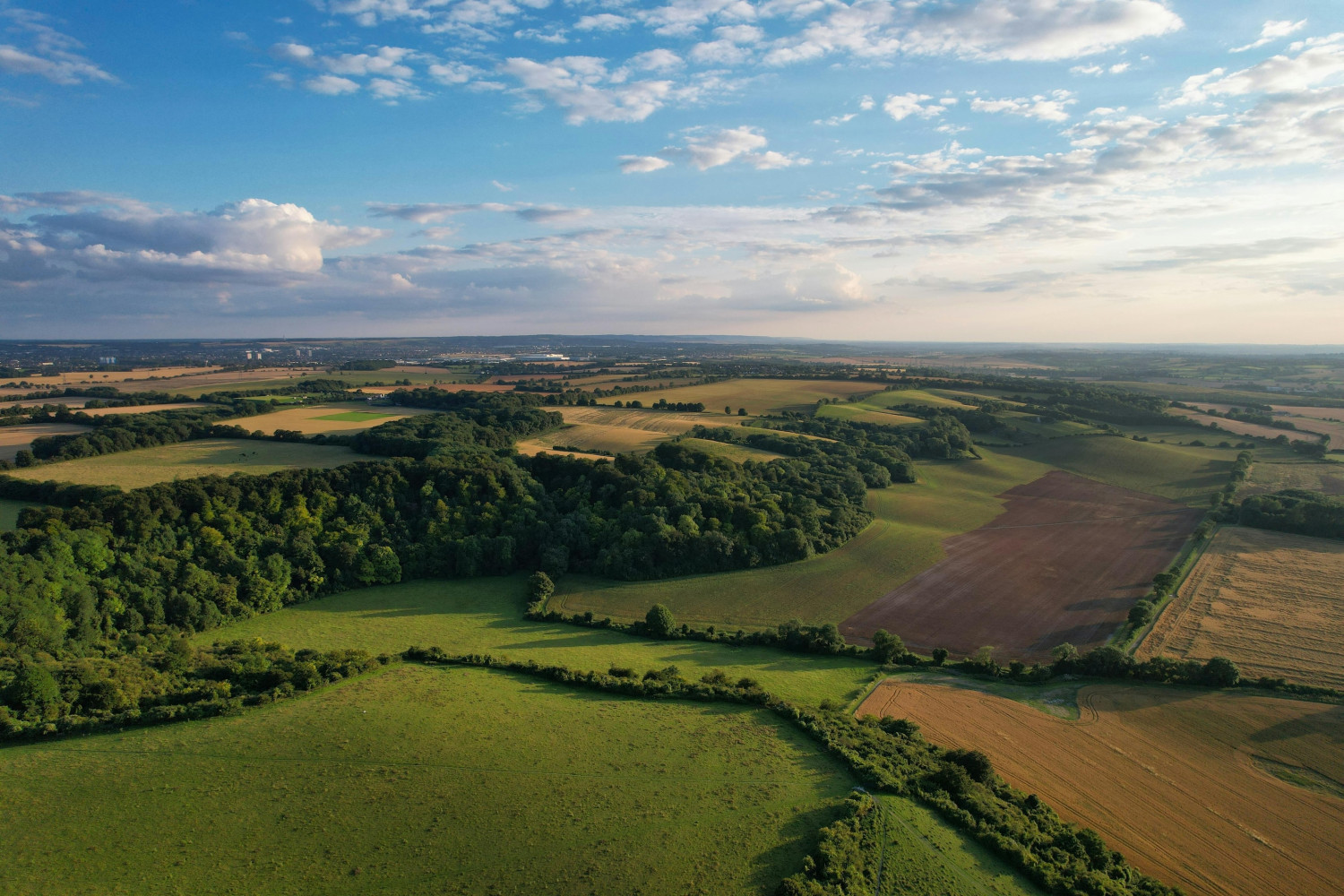
If you’re lucky enough to live in a Green Belt area, you already know it offers beautiful surroundings, a sense of space that’s hard to beat and a tranquillity that’s increasingly rare. But when it comes to making changes to your home – whether that’s an extension, outbuilding, or even a modest loft conversion – things can get a little more complex as stricter planning rules, designed to preserve the rural character of these landscapes come into play.
If you’re considering extending or altering your home within a Green Belt, it’s crucial to understand how planning policies apply, and how best to approach them. We’ve helped many homeowners overcome the unique hurdles of Greenbelt projects. Here’s some information on what you need to know before you get started.
Common challenges we see
- Stricter Planning Controls
Unlike in urban areas, Permitted Development rights may be curtailed or removed altogether in the Green Belt. Even seemingly minor changes often need full planning permission.
- The Importance of “Openness”
The concept of openness is not just about visibility; it’s about the physical and spatial impact of a development within the surrounding landscape. A modest extension can still be refused if it’s deemed to erode this openness.
- Disproportionate Extensions
Local authorities often cap how much you can extend a property, commonly around 30–50% of the house’s original size (either as it stood in 1948 or when it was first built). Cumulative extensions are also counted, although this is a bit of a grey area and depends on factors such as the age and type of extension in question.
- Unpredictable Precedent
Just because a neighbour secured approval doesn’t guarantee you will. Planning policy is nuanced, site-specific, and subject to change.
Design with sensitivity and strategy in mind
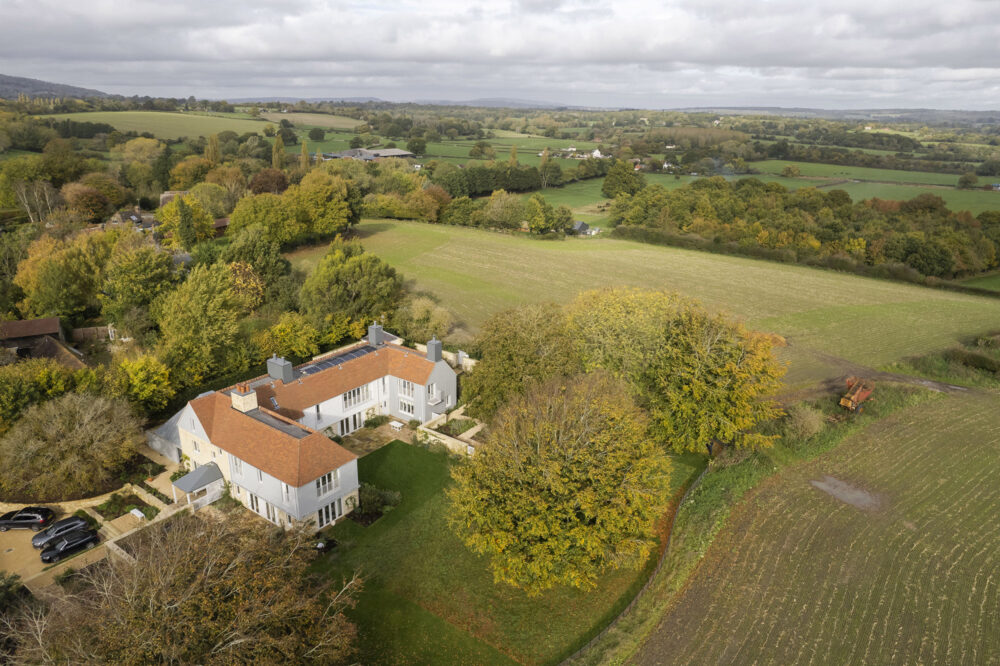
Designs that blend into the existing house and wider landscape are far more likely to gain approval. Using materials and details that reflect the local character, forms that minimise visual bulk, and respecting existing boundaries are all key strategies to consider.
Think creatively about alternatives
If a traditional extension isn’t feasible, one can still consider alternative options such as: garden rooms or outbuildings, loft conversions and internal reconfiguration to make better use of existing space. We find that with careful planning and thought, these can often meet client needs with fewer planning obstacles.
Seek professional guidance early on
Navigating the intersection of national and local policy can be complex. Involving an architect experienced with Green Belt projects early in the process can save you time, money, and disappointment. Our team are experienced in helping to navigate policy and achieve consent for projects located within a designated Green Belt. We’ll help assess feasibility, advise on design strategy, and prepare a robust submission that gives you the best possible chance of success.
Final Thoughts
Planning in the Green Belt isn’t impossible, it just requires a clear strategy, realistic expectations, and a design approach rooted in sensitivity and local context. We take pride in helping homeowners bring their ideas to life while working respectfully within these policy frameworks.