Why climate resilience starts at the beginning of a project
This summer’s heatwave has prompted a familiar question in architecture: are we designing buildings for the climate we have, or the climate we’re moving towards? At George & James, we believe the answer lies in considering future conditions from the very start of a project, not as an afterthought.
More than managing heat
In the wake of a heatwave, it is tempting to see overheating as the defining challenge of climate-resilient design. But resilience is about much more than keeping buildings cool. It means creating buildings that can perform well across a range of conditions, from intense heat and heavy rainfall to flooding, high winds and increasing seasonal uncertainty.
It also means thinking about energy. As costs remain volatile, buildings that are well-insulated, efficiently ventilated and designed to manage energy demand will be better placed for the future. Resilience and efficiency are, in this sense, two sides of the same coin.
Early decisions make the biggest difference
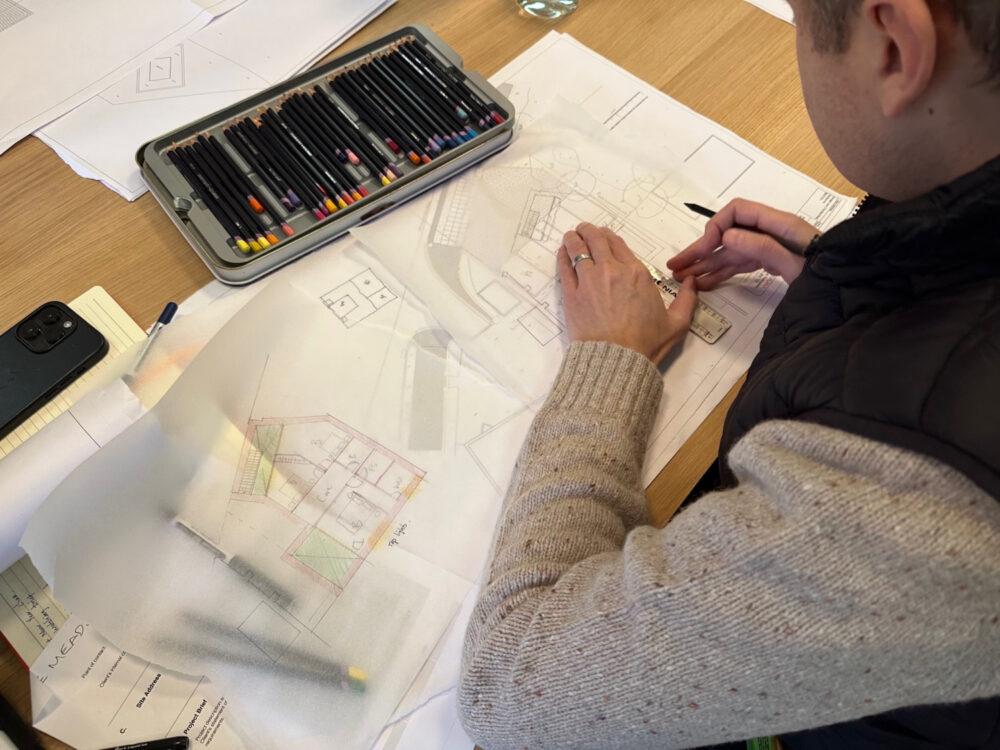
The most effective climate strategies are not added at the end of the design process but are embedded in the earliest decisions, influencing the building’s form, orientation, materials and relationship with its surroundings. Where a building sits on its site, how it is oriented, how it responds to sunlight and shade and how it connects with the surrounding landscape all influence long-term performance.
A simple example is glazing. South-facing windows can bring valuable daylight and warmth, but without the right shading strategy they can contribute to overheating. Good architectural design considers this relationship from the outset, balancing daylight, comfort and energy performance over the life of the building. Materials also play an important role. Choosing materials with good thermal performance can help regulate internal temperatures naturally and support a more comfortable, efficient building.

Water, landscape and the wider site
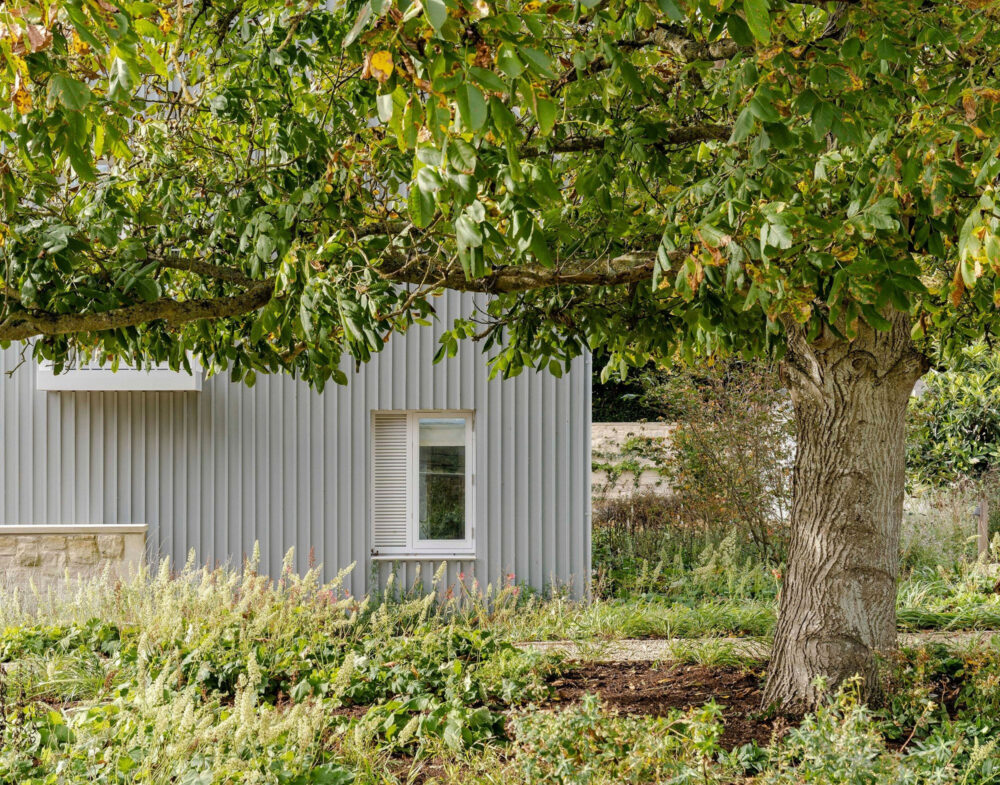
Climate resilience extends beyond the building itself. With more intense rainfall events becoming increasingly common, drainage, landscape and biodiversity are now important considerations in the planning process. Features such as permeable surfaces, rain gardens, mature planting and green roofs can help manage water, provide cooling and create long-term value for developments as part of a wider approach to creating places that respond positively to their environment.
Buildings that work for the people in them
Ultimately, a resilient building is one that continues to work well for the people who use it, allowing comfort when temperatures rise, remaining robust when weather conditions change and affordable to run as energy demands evolve. At George & James, we see climate resilience not as an additional constraint, but as an integral part of good design. It shapes better buildings and places, supports long-term value and reflects the wider context in which every project sits.
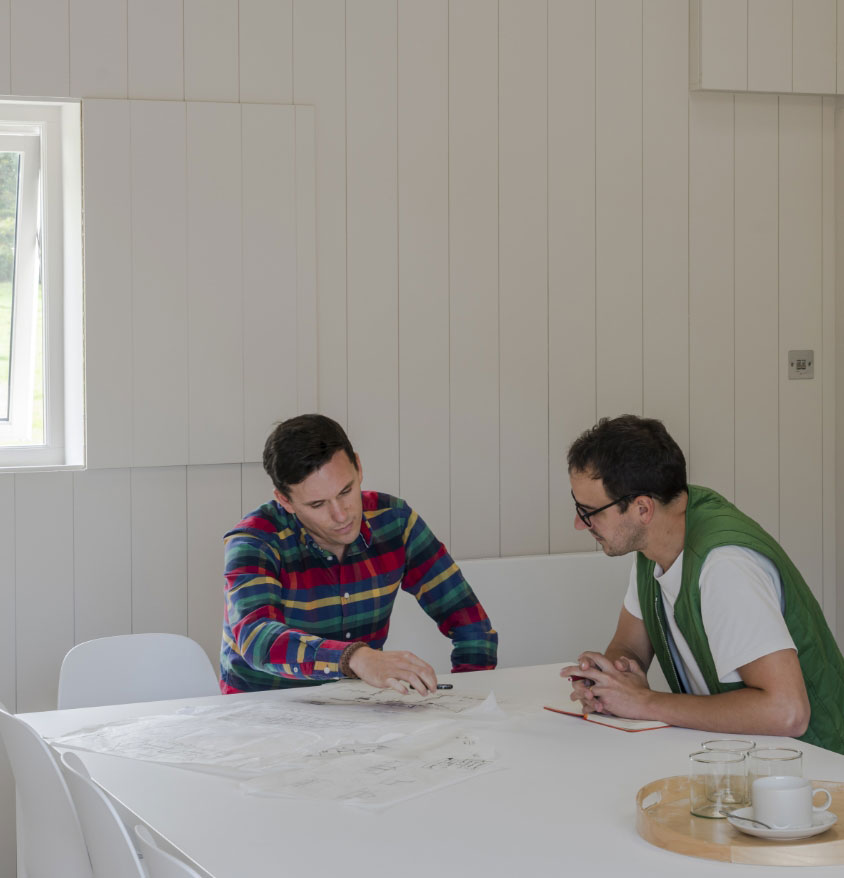
The conversations that matter most are the ones we have at the start.
If you’re considering a project, we’d love to hear your ideas. Start a conversation.